

You cut the toast the wrong way. Your toddler drops to the floor, crying like the whole morning has fallen apart. You feel your body tense before you can stop it.
You know it’s “just toast,” but the moment still hurts. Maybe this was the third hard thing before breakfast, and you were already running low.
That’s why toddler meltdowns feel so personal. They can make you feel rejected, judged, or completely out of control. None of that means you’re a bad parent.

Parent Intel contains affiliate links and is a member of the Amazon Services LLC Associates Program. If you make a purchase using one of our links, we earn a small commission.
KEY TAKE-AWAYS
- Meltdowns often feel worse when you’re already tired or stressed.
- Your toddler isn’t planning the meltdown to upset you.
- Your body can have a strong stress reaction too.
- Fewer words usually work better during big feelings.
- Repair matters more than responding perfectly.
- Extra support can help when meltdowns affect daily life.
Why Toddler Meltdowns Hit Parents So Hard
Meltdowns often happen at the worst time. You’re already late, making dinner, or trying to get everyone dressed. Then one small problem turns into screaming, crying, or kicking.
It can feel personal when your toddler pushes you away or asks for the other parent. You may know they don’t mean it, but it can still hurt.
Public meltdowns can feel even harder. You may notice people looking and wonder if they think you’re doing something wrong.
Your toddler’s meltdown can feel personal, even when it isn’t about you.
What Is Happening During a Toddler Meltdown
Toddlers can feel upset very quickly. A broken snack, the wrong cup, or leaving the park may feel like a huge problem. They often don’t have the words or control to handle that feeling yet.
The American Academy of Pediatrics explains that children may act out when stress becomes too much. Your calm can help, even when your toddler doesn’t seem to listen. A simple line like, “You’re upset. I’m here,” may be enough.
Your body may react just as quickly. The crying gets louder, your heart races, and you feel your patience slipping. Remembering that your toddler is overwhelmed, not trying to upset you, can help you pause before reacting.
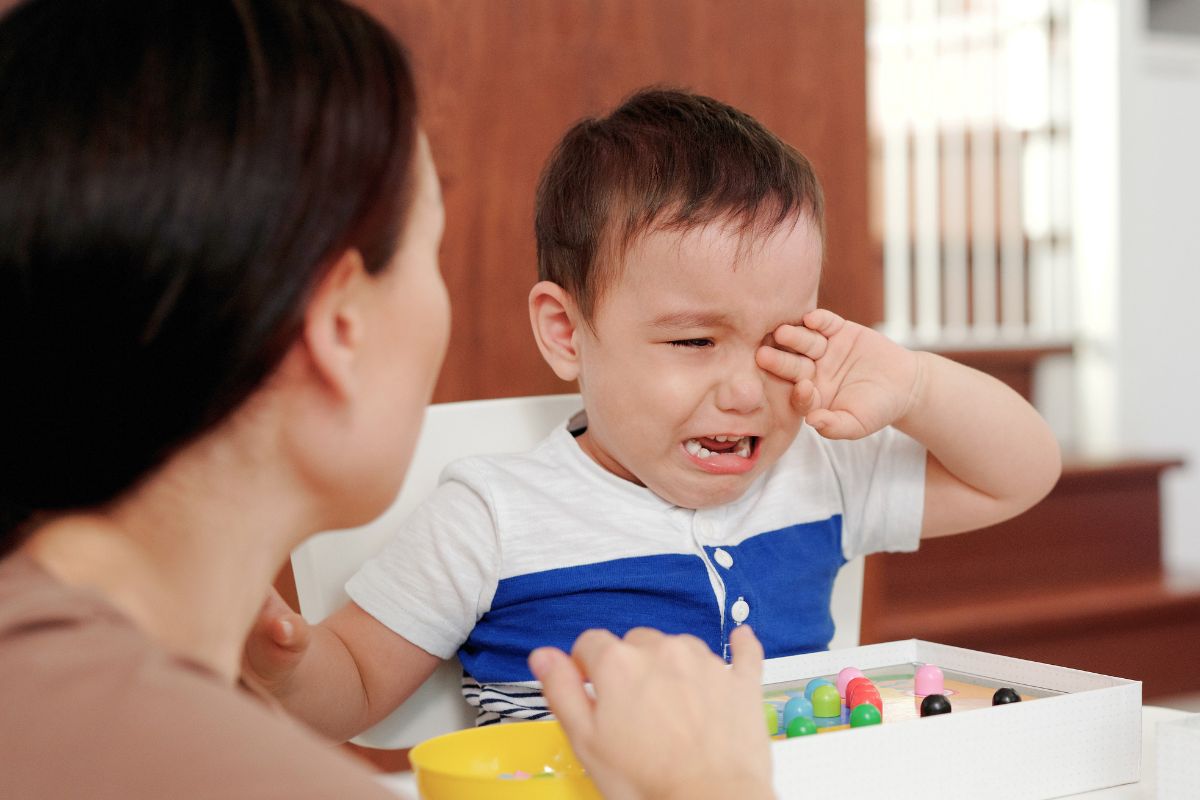
Photo by Jep G from Pexels
Everyday Meltdown Moments That Can Sting
Some moments hurt more when you’re already tired or rushed.
- Your toddler rejects the snack they asked for.
- They hit or kick while you’re helping.
- They stay calm with others, then fall apart with you.
- They ask for the other parent.
- They melt down while people watch.
- Another outburst starts minutes later.
It can feel like nothing is working. But these moments don’t erase the care and comfort you give each day.
You’re allowed to feel hurt or embarrassed. Notice the feeling, then give yourself a moment before reacting.
We Want to Hear From You
Every family’s experience looks a little different. We’d love to hear yours!
How to Feel Less Pulled Into the Meltdown
You don’t need a perfect script or endless patience. A few small steps can create space between your toddler’s feelings and your reaction.
- Name your own feeling. Silently say, “I’m getting overwhelmed.” Naming it can slow the rush to yell, argue, or fix everything.
- Use fewer words. Try, “You’re mad. I won’t let you hit.” Long explanations rarely work during a full meltdown.
- Hold the limit without trying to win. Your toddler doesn’t need to agree with you. Keep everyone safe and let the feeling pass.
- Lower the pressure. You don’t have to stop the crying right away. Staying close and holding the limit may be enough.
- Take a safe pause. Step back, breathe, or switch with another adult. A short reset can prevent a bigger reaction.
- Repair after mistakes. Say, “I yelled, and I’m sorry. Let’s try again.” Repair shows your child that relationships can recover.
Some tools may help today and fail tomorrow. That doesn’t mean you used them wrong. Toddlers change quickly, and your own energy changes too.

Photo by Karola G from Pexels
When Meltdowns Are Wearing You Down
One meltdown is hard. Several in one day can leave you tired before lunchtime. You may start avoiding errands or feel tense waiting for the next outburst.
Simple routines and clear limits can make some days easier. Our guide to positive discipline strategies shares practical ways to hold boundaries without turning every moment into a battle.
The Mayo Clinic suggests talking with your child’s doctor if tantrums involve harm or other worrying behavior. The CDC also recommends seeking support when behavior lasts over time or affects daily life. You can ask for help when your own anger or exhaustion feels too heavy, too.
FAQ
They can bring up stress, helplessness, shame, or feelings from your own childhood. Being tired, rushed, or overstimulated can make those reactions stronger.
Yes. Feeling angry doesn’t make you a bad parent. What matters is keeping everyone safe and repairing after mistakes.
Your toddler may feel safest releasing big emotions around you. It doesn’t mean they respect or love you less.
Keep it short. Try, “You’re upset. I’m here. I won’t let you hit.”
You don’t need to argue with the crying, but you can stay nearby. Hold the limit and offer comfort when your child is ready.
A Gentle Reminder
You can love your child deeply and still dislike the meltdown. Both things can be true, and neither one cancels out the other.
You won’t respond perfectly every time, no parent does. Some days you’ll stay calm. Other days you’ll snap, and that’s the moment that actually matters most: a simple apology, a reset, another try. Repair is what your child remembers, not the one time you got it wrong.
This season can feel very loud right now. It won’t always feel this way. The toddler who melts down over toast today is the same kid who, one day, won’t need you to hold the limit for him anymore.