
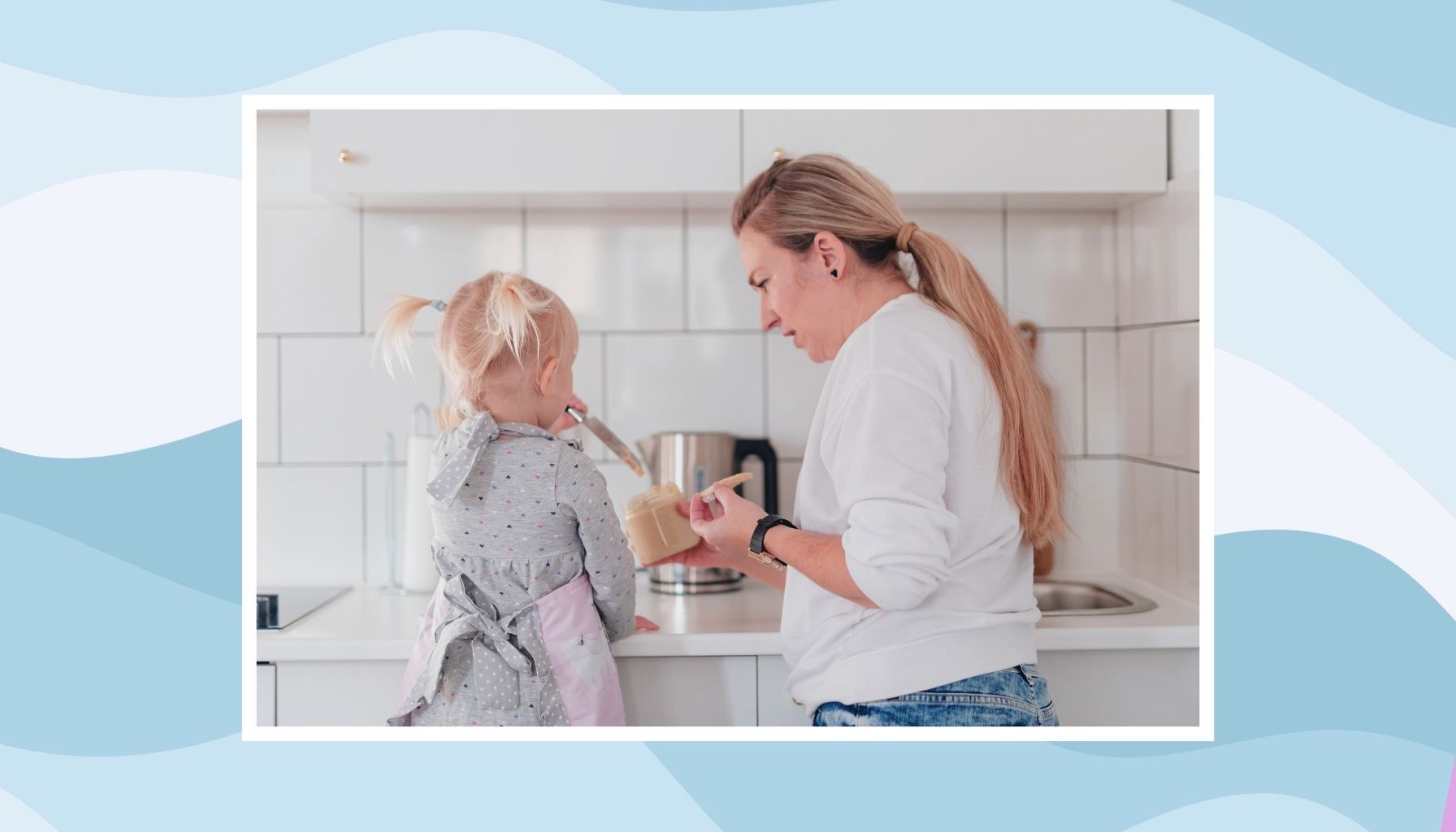
You’re standing in the kitchen, reheating your coffee again. One child needs help, another can’t find a shoe, and you still haven’t finished getting dressed.
You love your family, but your own life can feel unfamiliar. The things that once made you feel like yourself now seem far away, even when everyone is doing fine.
That’s why it can be hard to feel like yourself after kids. Motherhood can bring love and purpose while changing your time, body, work, friendships, and sense of self.
Parent Intel contains affiliate links and is a member of the Amazon Services LLC Associates Program. If you make a purchase using one of our links, we earn a small commission.
KEY TAKE-AWAYS
- Motherhood can change your routines, roles, and sense of self.
- Missing parts of your old life doesn’t make you a bad mom.
- Constant planning can leave little room for your own needs.
- Small, regular choices can help you reconnect with yourself.
- Ongoing sadness, anxiety, or numbness may need extra support.
Why You May Not Feel Like Yourself After Kids
Becoming a mom doesn’t erase who you were before. Still, your needs can slowly move to the bottom of the list. When every choice includes someone else, your own voice gets harder to hear.
Before kids, your days may have included work, friends, hobbies, exercise, or quiet time. After kids, even simple things take planning, and free time often becomes chore time. You may also feel known mainly as “Mom,” while other parts of you become less visible.
You may miss your old freedom, confidence, body, or focus. Then guilt can follow because you think you should only feel grateful. You can love your family and still miss parts of your old life. That mix of love and loss can feel confusing, but it doesn’t make you selfish or ungrateful.
You haven’t lost yourself; parts of you may simply need room again.
Why Motherhood Changes Your Sense of Self
Motherhood can change many parts of your life at once. Your sleep, routines, work, body, relationships, and goals may all feel different. Even changes you wanted can take time to understand.
There’s a word for this shift: matrescence. It means the emotional and personal transition into motherhood. Research shows this change can affect your identity, relationships, work, and emotional health.
The daily mental load can make the shift feel even stronger. Your mind may stay busy with meals, appointments, school forms, supplies, and everyone’s needs. When you’re always planning or responding, there’s little space to notice what you want or enjoy.
Photo by Mikhail N from Pexels
Small Signs You Feel Disconnected From Yourself
Feeling unlike yourself doesn’t always feel like one big crisis. It often shows up in small moments:
- You can’t remember the last thing you did for fun.
- You buy what everyone else needs but skip yourself.
- You feel awkward when someone asks what’s new with you.
- You want time alone but don’t know how to use it.
- You miss work, then feel guilty for missing it.
- You avoid photos because you don’t feel comfortable.
- You scroll through old pictures and miss that version of you.
- You feel touched out, needed, or watched all day.
Any one of these moments may seem small. Together, they can leave you feeling disconnected from your own life. You may keep moving without noticing how far away you feel.
You don’t need to judge that feeling or rush to fix it. It may be a sign that you need more rest, choice, support, or time that belongs to you. Noticing what’s missing can help you choose what needs attention first.
We Want to Hear From You
Every family’s experience looks a little different. We’d love to hear yours!
How to Start Feeling Like Yourself Again
You don’t need a full weekend away or a complete life reset. Small, regular choices can help you feel more present in your own life. The goal isn’t to add another perfect routine to your list.
- Name what you miss. Be specific. You may miss reading, working, seeing friends, moving your body, or having quiet mornings.
- Choose one small return. Read ten pages, take a walk, play music you love, or spend fifteen minutes on a hobby.
- Protect a little time. Put personal time on the calendar when possible. Treat it like a real need, not a reward for finishing everything.
- Share the full task. Ask your partner or support person to own something from start to finish. Help feels different when you don’t have to plan and remind.
- Let yourself be different. You may not want the same goals or routines anymore. Reconnecting can also mean learning who you are now.
Start with the step that feels most possible. These choices won’t solve every hard day. They can still remind you that you’re a whole person, and even ten minutes that feels truly yours can matter.
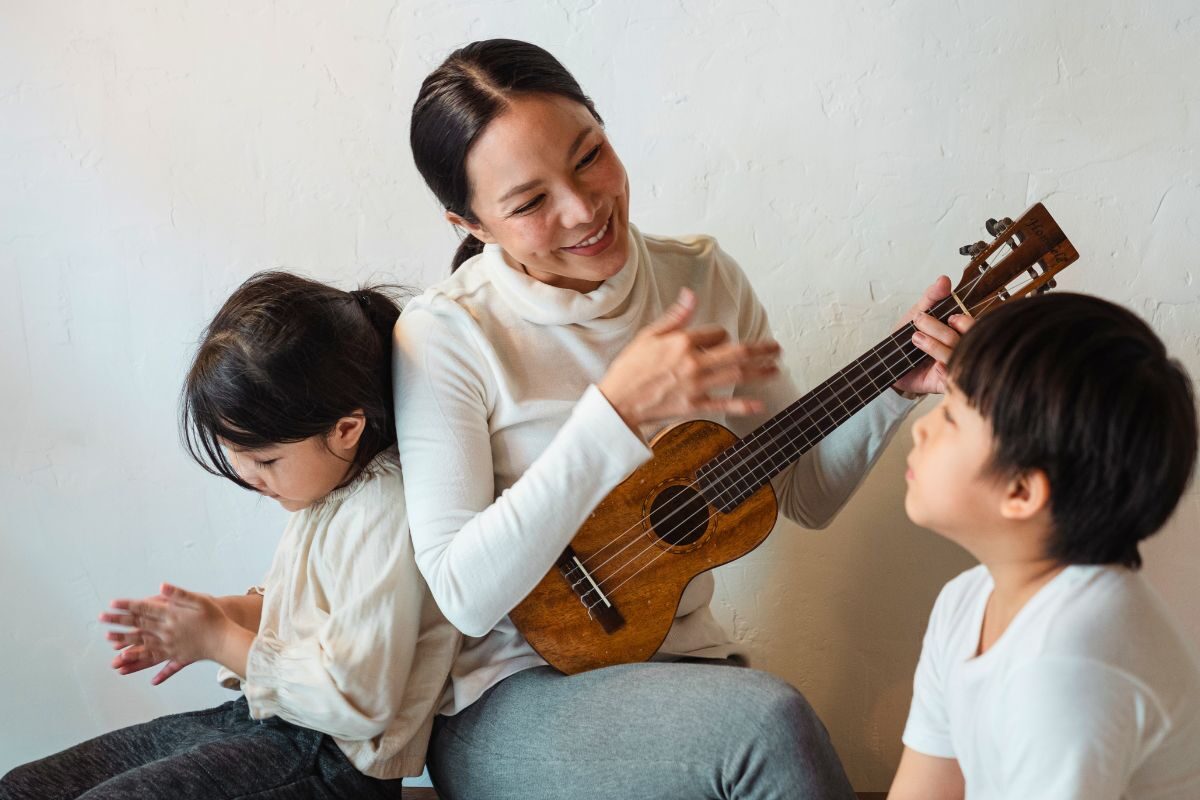
Photo by Ketut S from Pexels
When You May Need More Support
Sometimes feeling disconnected comes from poor sleep, stress, or carrying too much for too long. More rest and shared work may help. The pressure described in Why Moms Feel Like the Default Parent can also make it harder to notice what you need.
Pay attention when the feeling stays heavy or affects daily life. You may feel numb, hopeless, very anxious, angry most days, or unable to enjoy things you usually like. You may also struggle to sleep, eat, focus, connect, or manage normal tasks; these feelings deserve care, even when you can still get through the day.
The U.S. Surgeon General’s advisory for parents explains that ongoing parenting stress can affect mental health and well-being. You don’t have to wait until you’re falling apart. A doctor or mental health professional can help you understand what’s happening and what support may help.
FAQ
Yes. Your routines, body, relationships, priorities, and responsibilities may all change. It can take time to adjust.
Your needs may have been pushed aside while you cared for everyone else. Constant planning and little personal time can leave you feeling disconnected.
There’s no set timeline. Some changes ease after the baby stage, while others shift again as your child grows.
Start with one small part of yourself you miss. Make regular space for it instead of waiting for a perfect free day.
No. You can love your children and still miss your freedom, work, hobbies, friendships, or old routines.
A Gentle Reminder
You’re allowed to love being a mom and still miss parts of who you were. Both feelings can be true. Neither one makes you ungrateful or less loving.
You don’t need to become the exact person you were before. Life has changed, and you have too. You deserve time and space to learn who you are now.
You matter beyond the meals, laundry, appointments, and bedtime routines. Your needs, dreams, and happiness still matter. Little by little, you can make room for the things that feel like your own.