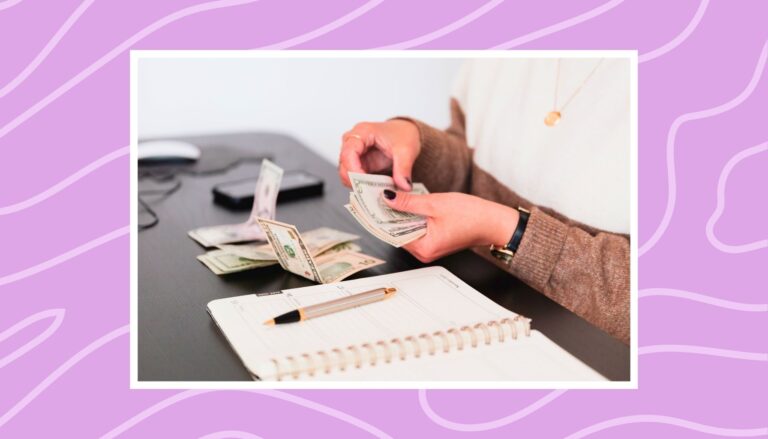

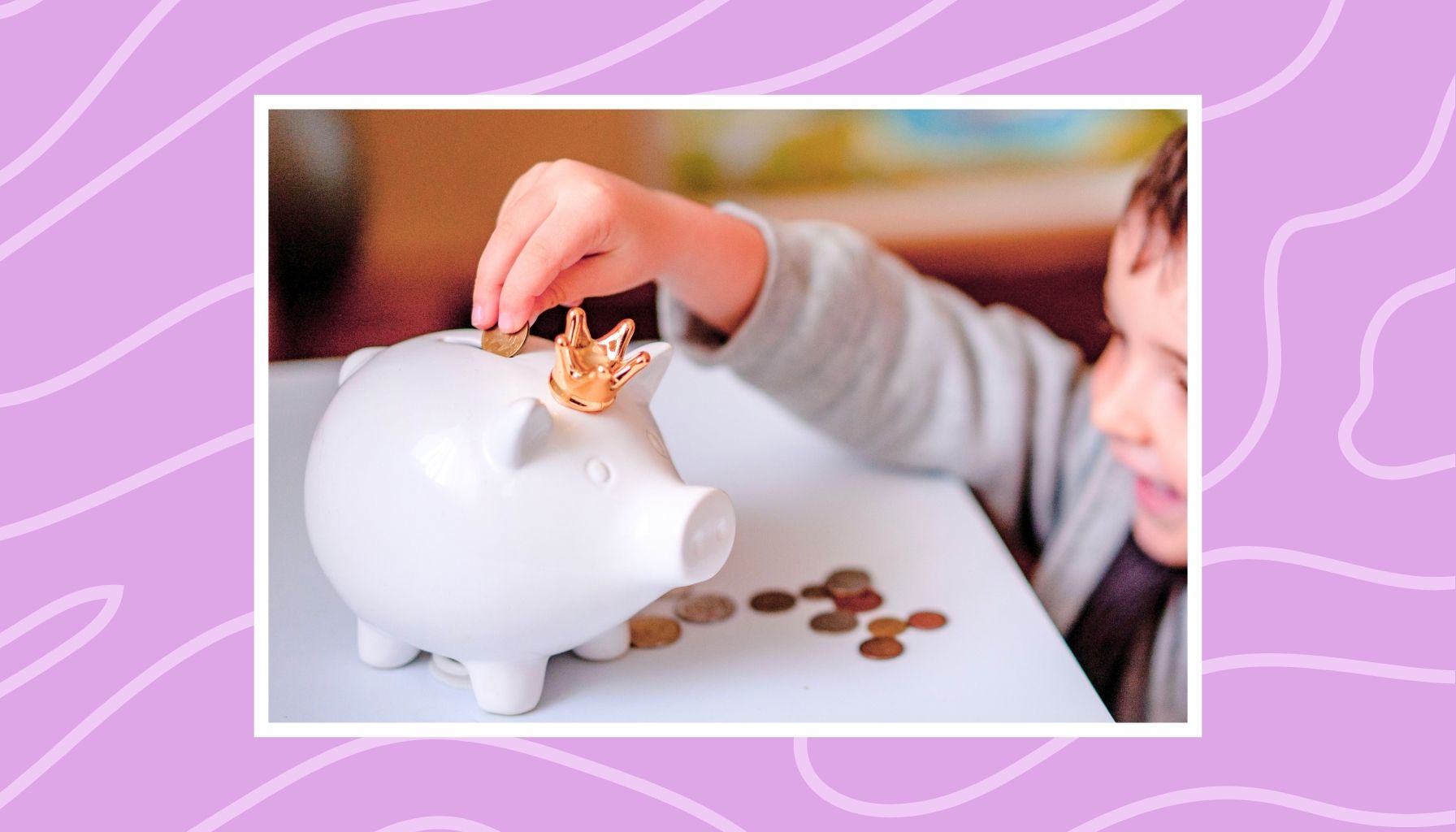
Saving up for that toy and letting kids feel the reward of patience sounds simple… until your child is standing in the store asking for it right now.
Parent Intel contains affiliate links and is a member of the Amazon Services LLC Associates Program. If you make a purchase using one of our links, we earn a small commission.
No one really tells you this part.
The waiting is the hardest part for them and for you.
But once you see it work? It changes everything.
Helping kids save for a toy builds patience, confidence, and real money skills and that moment when they finally buy it themselves? It hits differently.
KEY TAKEAWAYS
- Saving up for a toy teaches patience and self-control
- Kids learn money value through real experience
- Visual trackers make saving feel fun and motivating
- Small earnings build confidence over time
- Letting kids wait makes the reward more meaningful.
If You Want to Start Right Now
- Pick one toy with a clear price
- Create a simple savings tracker
- Offer small ways to earn money
- Do weekly progress check-ins
- Let them make spending decisions.
How to Help Kids Save for a Toy (What Actually Works)
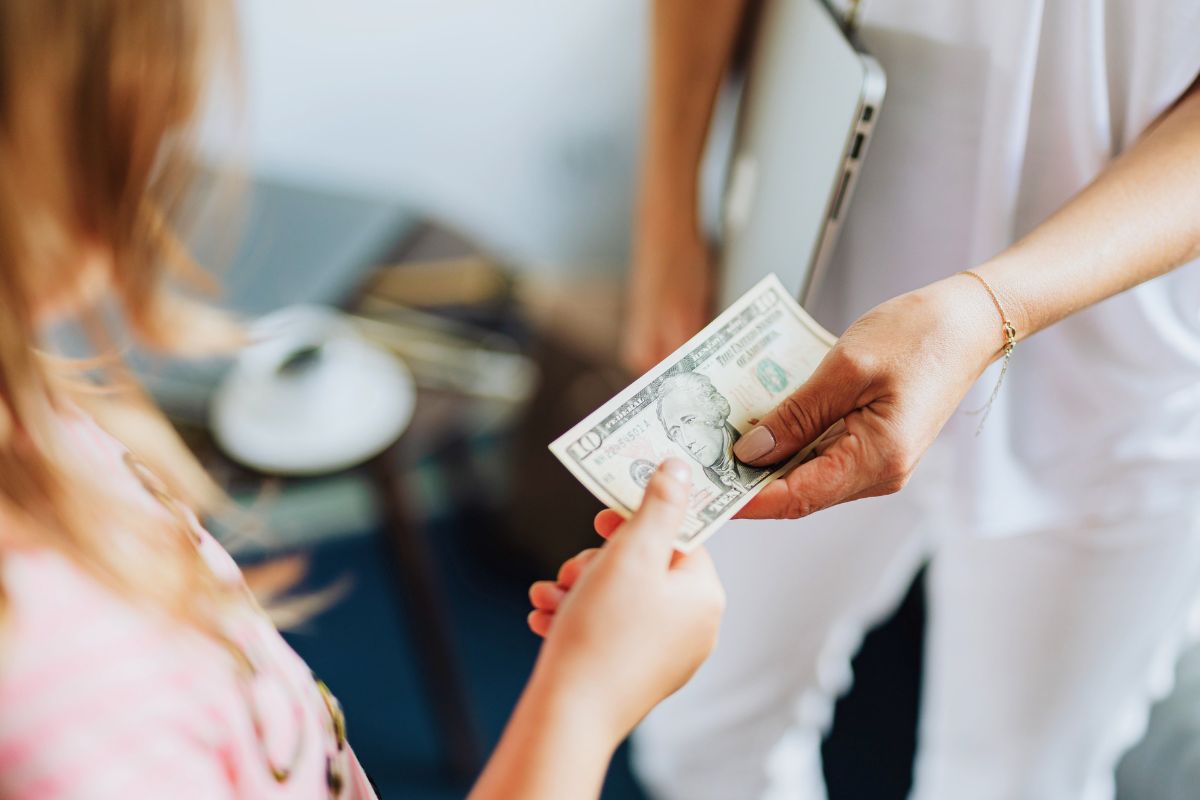
Photo by Karola G from Pexels
Start With a Clear Goal
Kids saving money for toys works best when the goal is specific.
“I want a toy” feels endless.
But “I want that $28 LEGO kit” feels real.
What worked for us: we printed a picture of the toy and taped it to a jar. Suddenly, it wasn’t just money, it was their goal.
This is where most parents get it wrong.
They keep it too vague.
Parent tip: If the toy is expensive, break it into smaller goals.
$5. $10. $20. Progress feels doable.
Let Them Earn Money (Slowly and Consistently)
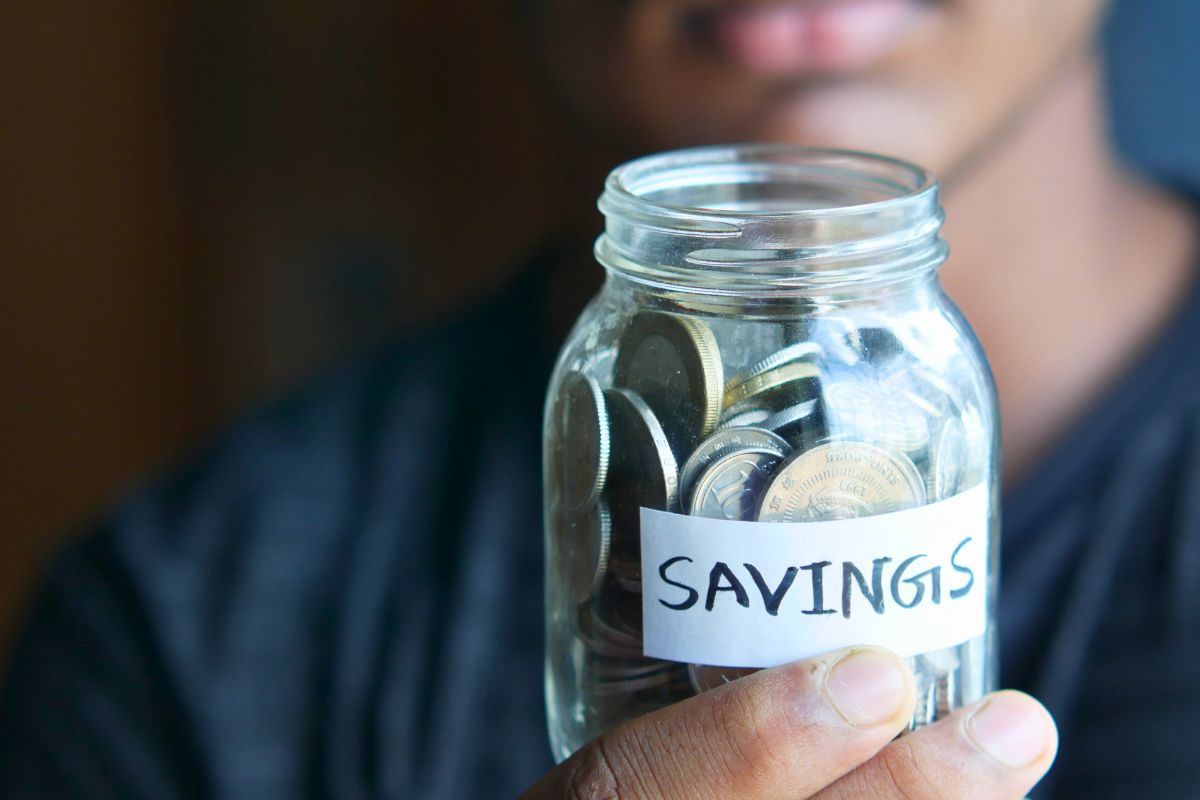
Photo by Towfiqu B from Pexels
Giving kids money lessons through saving works better when they earn it.
We used a mix of weekly allowance and small tasks like:
- watering plants
- helping pack lunches
- reading to a sibling.
One week, our son earned $3 just reading bedtime stories.
He was proud. And honestly… it worked better than any reward chart.
Common mistake: Giving money too fast.
If it’s instant, the lesson disappears.
Helpful idea: A small chore chart or allowance tracker can make this easier if you want to try it too.
Track Progress Visually (This Changes Everything)
A simple savings tracker for kids makes a huge difference.
We drew a chart where each square = $1.
Every dollar earned meant coloring a square.
And suddenly… saving felt like a game.
This is the part kids love most.
Watching progress.
Optional idea: Let them decorate it with stickers or markers.
Ownership makes it more exciting.
Handle Temptation Without Saying No

Photo by Kristina P from Pexels
Teaching kids delayed gratification isn’t about controlling them.
It’s about guiding them.
There will be moments when they want to spend early.
That’s part of the process.
Instead of saying no, we ask:
- “Is this worth delaying your big goal?”
- “Do you want this more than your toy?”
One time, our son almost spent everything on a random gas station toy.
We didn’t stop him.
We just asked questions.
He paused… and walked away.
That moment stuck more than any lecture.
Celebrate When They Reach the Goal
When your child finally buys the toy they saved for, make it count.
Go with them.
Let them pay.
Let them feel it.
Our 8-year-old counted his own money at checkout and said,
“I saved all by myself.”
We didn’t say anything.
We just smiled.
Because that’s the lesson.
Parent tip: Talk about the experience after.
Ask how it felt to wait.
Most kids will say it was hard.
But worth it.
Simple Tips for Teaching Kids to Save Money
- Keep goals realistic and exciting
- Use real cash when possible
- Offer occasional “match” bonuses for motivation
- Let kids make mistakes (this matters more than success)
- Stay encouraging, even when they struggle.
Mistakes to Avoid When Teaching Kids About Money
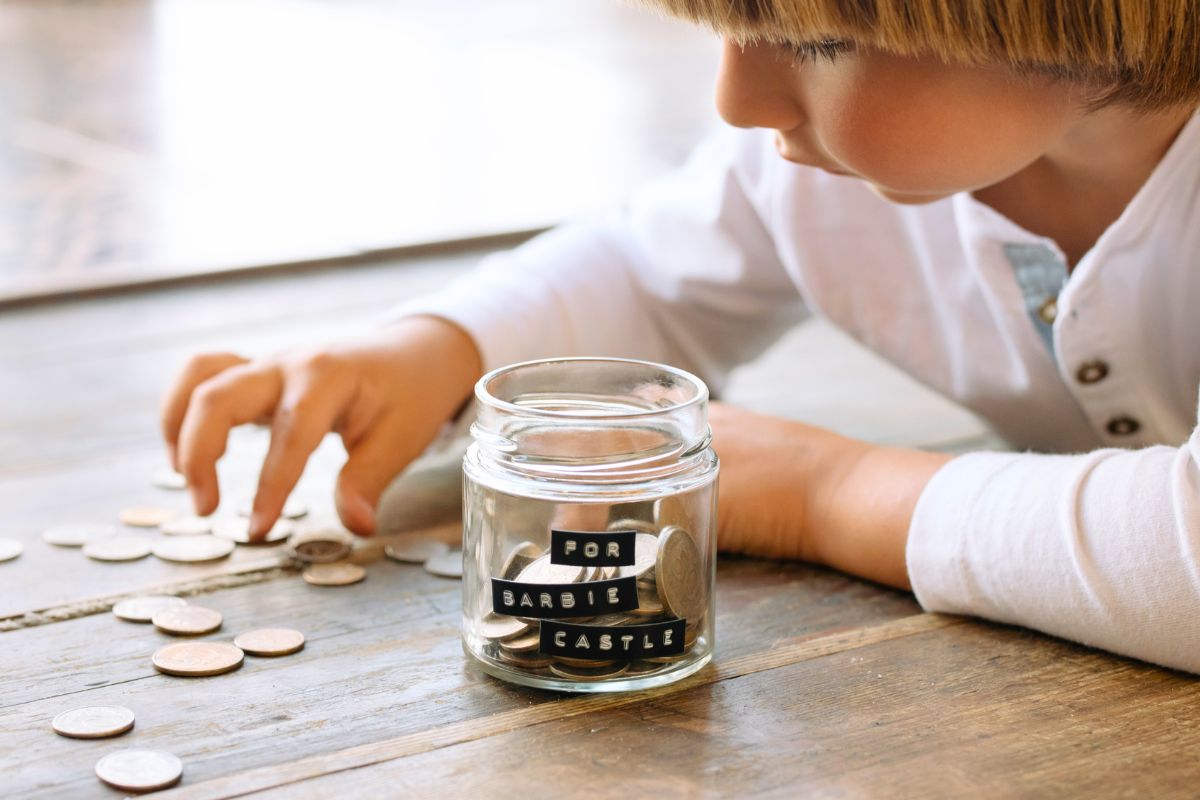
Photo by cottonbro studio from Pexels
Making It Too Easy
If kids don’t wait, they don’t learn patience.
Over-controlling Decisions
Let them choose even if it’s not perfect.
Skipping Conversations
Kids need guidance, not just rules.
Real-Life Moments That Stick
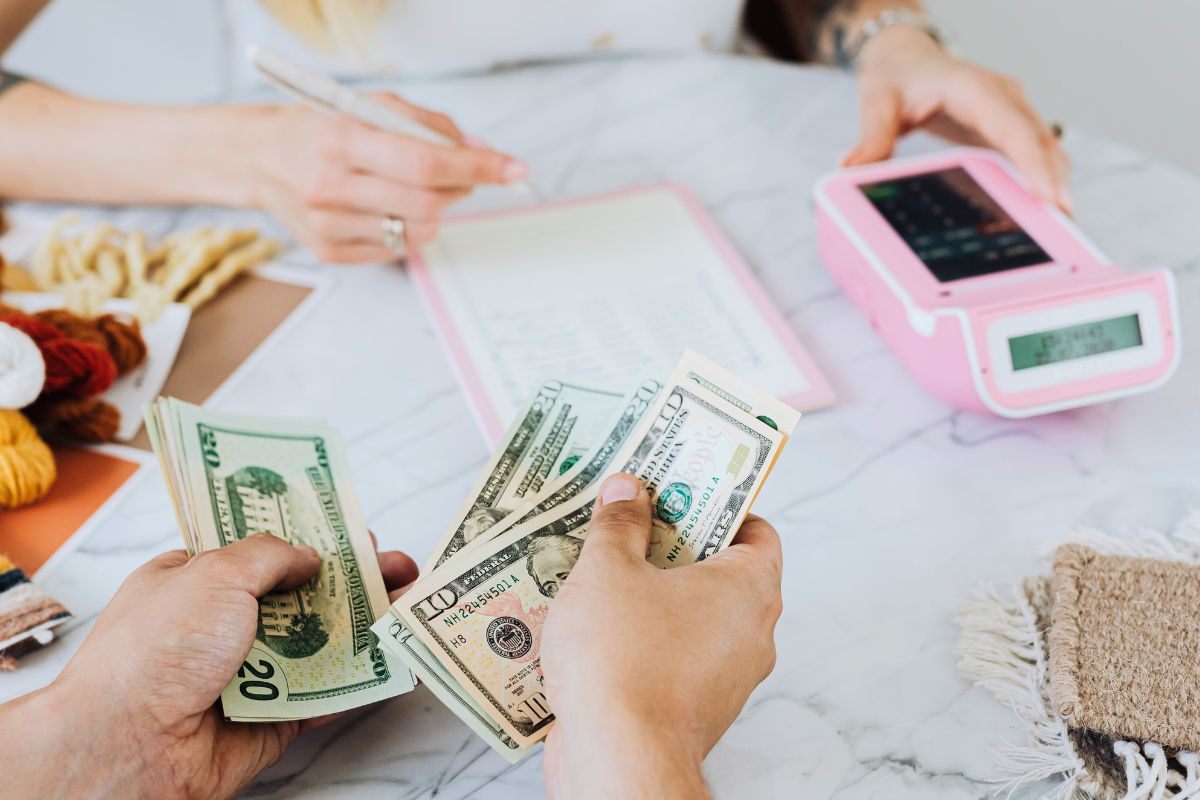
Photo by Karola G from Pexels
One of my kids once spent all their saved money on something small…
and forgot about it two days later.
That lesson?
Way more powerful than anything I could’ve explained.
Saving, spending, and even regret, it’s all part of building financial literacy for kids.
FAQ: Saving Money for Kids
Most kids can start around age 4–5 with simple goals and small amounts.
A mix works best. Allowance builds consistency, while chores teach effort.
Use clear goals, visual trackers, and let them experience waiting.
Let it happen. That lesson is more valuable than stopping them.
They can help, but younger kids learn better with real cash they can see and count.
Final Thoughts
We live in a world where everything is instant. But kids don’t need everything fast, they need to feel the process.
Saving up for a toy teaches more than money. It builds confidence, patience, and independence in a way quick rewards never can.
Start small and keep it simple. You don’t need perfect, you just need what works.