

If you’re looking up budgeting for kids 101, you probably just want a simple, real-life way to teach your kids about money without turning it into a lecture.

Parent Intel contains affiliate links and is a member of the Amazon Services LLC Associates Program. If you make a purchase using one of our links, we earn a small commission.
Because honestly…
most of us weren’t taught how to teach money either.
We just say “not today” at the store and hope they figure it out later.
But here’s the good news:
this doesn’t have to be complicated and you can start anytime, even this week.
In this post, you’ll learn:
- how to teach budgeting for kids in a simple way
- easy allowance ideas for kids that actually work
- how to help kids understand saving and spending
- real-life money lessons for kids by age
- practical ways to build strong money habits early
Why Budgeting For Kids Matters More Than You Think
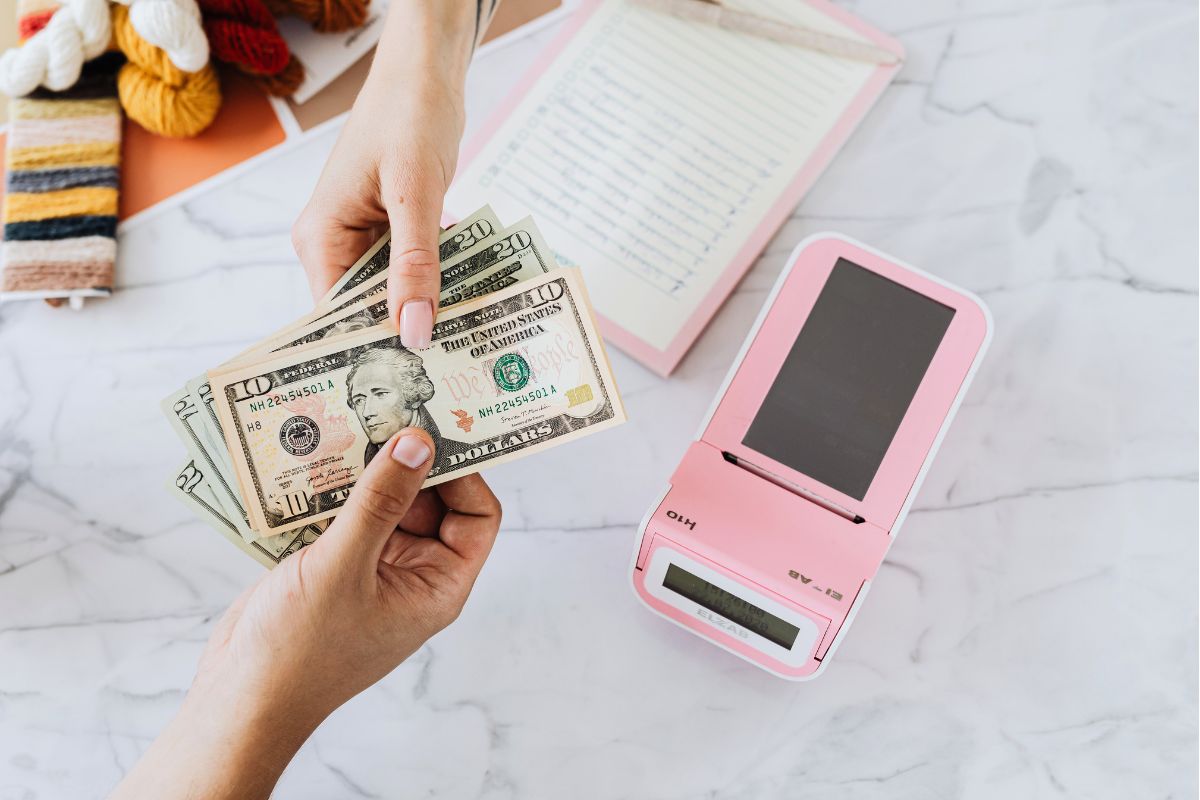
Photo by Karola G from Pexels
Kids already care about money.
They just don’t understand it yet.
And when they don’t understand it…
everything feels like “just buy it.”
We noticed this fast especially during one very dramatic vending machine moment (and yes, there were tears).
Why this works
When kids manage their own money, it clicks faster than any explanation.
Parent tip
Instead of always saying “no,” start saying:
“You can use your money if you want.”
That one shift changes everything.
What We Did Wrong At First
We used to say:
“That’s too expensive.”
“Not today.”
But what they heard was:
“Maybe later.”
That’s when we realized they needed hands-on experience, not just words.
Why this works
Kids learn faster by doing than by listening.
Common mistake
Waiting too long to start. Even young kids can handle simple money habits.
Start With Small Allowances (Even Just A Few Dollars)

Photo by Karola G from Pexels
You don’t need big amounts.
Even a small weekly allowance works.
We started with coins in a jar and honestly, that made it more exciting.
One of our kids loved the sound of dropping coins so much, he started asking about saving without us prompting him.
Why this works
Small amounts feel manageable and real for kids.
Parent tip
Use coins instead of bills at first, it makes counting and saving easier.
Helpful tool (optional)
Simple allowance trackers or printable charts can make this easier if you want something visual.
Use Simple Budget Categories Kids Understand

Photo by Towfiqu B from Pexels
We use three jars:
Spend, Save, Share
That’s it.
No complicated system.
No big explanations.
And somehow… it worked better than anything else we tried.
One time, our child used the “Share” jar to buy a birthday gift for a friend and you could tell they felt really proud.
Why this works
Simple systems are easier for kids to stick with.
Parent tip
Let your kids decorate their jars. Ownership = consistency.
Helpful tool
Clear labeled jars or kid-friendly money organizers can help make this feel more real.
Let Kids Make Money Mistakes (This Is The Big One)
This one is hard.
Watching your kid spend all their money on something that breaks in five minutes?
Painful.
But also… powerful.
One of our kids bought a mystery toy from a vending machine.
It turned out to be a sticker. Just a sticker.
That lesson stuck way longer than anything we could’ve said.
Why this works
Natural consequences teach faster than lectures.
Common mistake
Rescuing them or replacing the item. Let the lesson happen.
Show Kids Prices In Everyday Life

Photo by Yan K from Pexels
Budgeting doesn’t just happen during allowance time.
It happens at the grocery store, gas station, and even at home.
We started asking simple questions like:
“Do you think this snack is worth your money?”
Suddenly, choices changed.
One of our kids once guessed gas cost $3 for the whole tank.
That turned into a full (and funny) conversation in the car.
Why this works
Real-world examples make money feel relevant.
Parent tip
Turn errands into little “guess the price” games.
Make Saving Visible And Fun
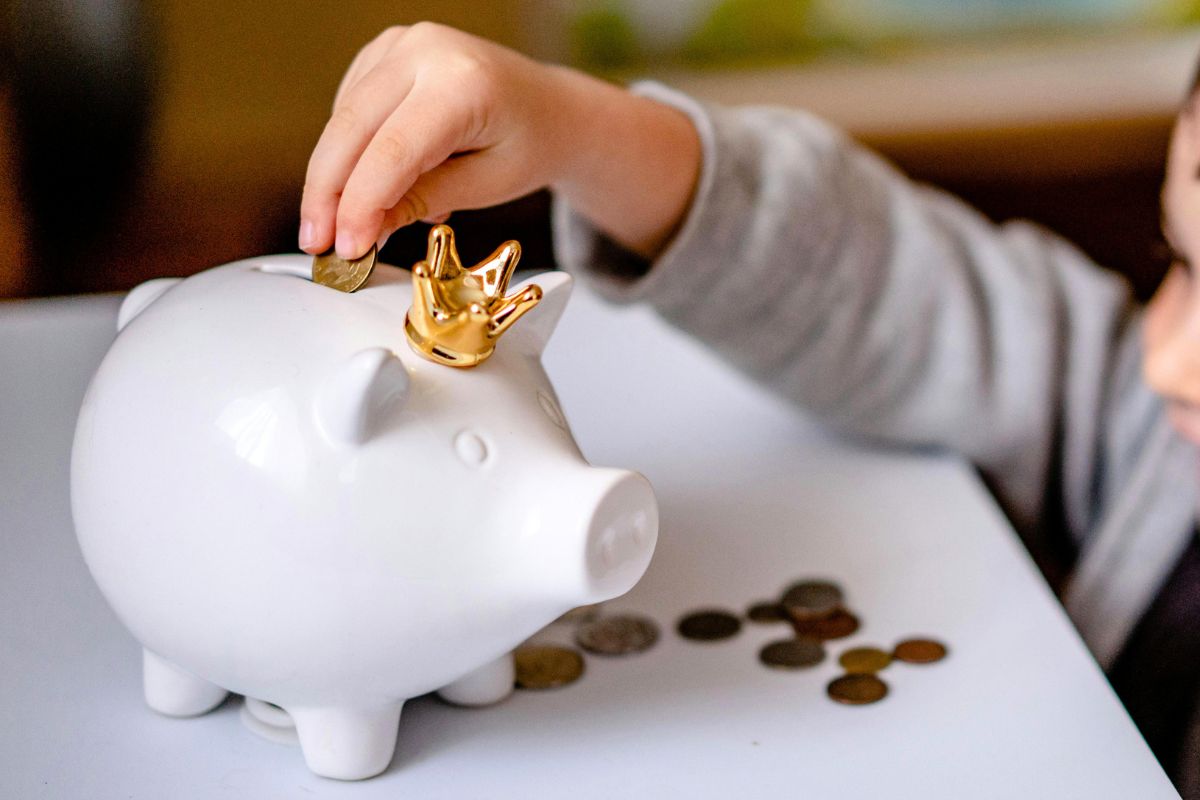
Photo by Atlantic Ambience from Pexels
Saving is hard… unless kids can see progress.
We made a simple chart for a LEGO set goal.
Every time money was saved, we colored a box.
And somehow… the chart became just as exciting as the toy.
Even siblings got involved and helped color it in.
Why this works
Visual progress keeps kids motivated.
Parent tip
Put the chart somewhere visible like the fridge.
Helpful tool
Printable savings trackers or sticker charts can make this even more fun.
Budgeting For Kids By Age (Simple Guide)
For Toddlers And Preschoolers
Keep it super simple: coins, jars, and short explanations.
For Younger Kids
Introduce saving goals and simple choices.
For Older Kids
Start talking about bigger expenses and delayed rewards.
Why this works
Matching the lesson to their age keeps it realistic.
Parent tip
Don’t overcomplicate. Start where they are.
FAQ About Budgeting For Kids
Around age 4–5 is a great starting point. Even simple money habits work at this stage.
There’s no perfect number. Start small and stay consistent.
It can be but many parents keep basic chores separate and use allowance for learning money skills.
That’s part of the process. Mistakes are where the best lessons happen.
KEY TAKEAWAYS
- Start early, but it’s never too late
- Keep it simple with clear categories
- Let kids make mistakes (this matters most)
- Use real-life moments to teach money
- Make saving visible and fun
Final Thoughts
You don’t need a perfect system, and you don’t have to get everything right. Just start small because those little moments matter more than you think.
Watching your child save up and proudly pay for something on their own builds real confidence. Even something simple like a jar and a few coins is enough to begin.