

How to use family grocery shopping as a budget lesson without meltdowns sounds impossible some days… especially when you’re already bracing for the snack aisle chaos.

Parent Intel contains affiliate links and is a member of the Amazon Services LLC Associates Program. If you make a purchase using one of our links, we earn a small commission.
Because let’s be honest…
No one tells you this part.
Teaching kids about money in real life is messy.
And grocery shopping?
It can go from calm… to “why are we crying over cookies” in 10 seconds.
But here’s the good news:
You don’t need a perfect system. You just need a few simple shifts.
Once we figured this out, grocery trips stopped feeling like survival mode and started becoming one of the easiest ways to teach kids budgeting.
KEY TAKEAWAYS
- Grocery shopping is one of the best real life money lessons for kids
- Small roles help kids focus and reduce meltdowns
- Giving kids a budget builds confidence fast
- Talking through choices teaches spending vs saving
- Kids learn best when they’re part of the decision
- Simple systems work better than strict rules
If You Want to Start Right Now
- Tell your kids the grocery budget before leaving
- Give each child a small spending limit
- Let them choose between two items
- Use your phone calculator together
- Talk through one trade-off in the store
Why Grocery Shopping Is The Best Budget Lesson (Even If It Feels Chaotic)

Photo by Karola G from Pexels
This is where most parents get it wrong.
We try to teach money at home…
but skip it in real life.
But kids don’t learn budgeting from lectures.
They learn it when it actually matters.
Like when they’re holding a box of cookies.
One time, one of my kids begged for something, forgot about it two days later, and that was the moment it clicked for me…
Real-life money lessons for kids stick more than anything we say.
Set A Simple Grocery Budget Before You Leave
Before you even step into the store, say the plan out loud.
“We’re spending $120 today. Let’s stick to it together.”
That one sentence changes everything.
Parent tip: Keep it simple. No long explanations.
What worked for us was turning it into a game.
We’d ask them to guess totals or round prices.
Suddenly, it wasn’t “don’t grab things.”
It was “let’s figure this out.”
Helpful if you want to try it too:
Using a cash envelope or prepaid grocery card makes the budget feel real for visual learners.
Give Each Kid A Small Budget Mission

Photo by Helena L from Pexels
This is the biggest game changer.
Instead of saying “no,” give them control.
- “Pick a snack under $5”
- “Choose a fruit for the week”
- “Find a cereal under $4”
This shifts everything.
From: “I want that”
To: “What can I get with this?”
One of our kids once spent 10 minutes comparing crackers.
Honestly… I didn’t rush it.
That was budgeting in action.
Common mistake:
Giving too many choices. Keep it small.
Teach Price Comparison In Real Time

Photo by Karola G from Pexels
You don’t need a lesson plan.
The aisle is the lesson.
“This one is $3.99. This one is $2.49. Which is better?”
That’s it.
You’re already teaching:
- how to teach kids to save money
- smart spending habits
- basic financial literacy for kids
Parent tip: Let them choose even if it’s not your pick.
That decision-making builds confidence.
Sometimes we even say:
“Which one gives us more for the price?”
And yes… sometimes they still pick the fun one.
That’s part of learning.
Let Them Track The Total (They Love This)
Kids LOVE responsibility.
So we give one child the job of tracking the total using a phone calculator.
Another checks the grocery list.
And suddenly…
No one is asking for candy every two seconds.
Busy kids complain less.
This also teaches:
- how to manage a grocery budget with kids
- simple budgeting systems for families
- real life math skills
Talk About Trade-Offs In The Moment

Photo by Karola G from Pexels
This is where the real lesson happens.
“If we get this, we can’t get that.”
Pause.
Let them decide.
Even if they don’t like it.
One week, our kids chose popsicles over chips.
We were shocked.
But that was a real budgeting decision.
Parent tip:
Don’t rescue the decision too fast. Let it sit.
Celebrate The Wins (Even Small Ones)
If you stay within budget, make it feel like a win.
We sometimes say:
“Hey, we saved money today. What should we do with it next time?”
Or we track it on a small board at home.
After a few trips, it adds up.
And now you’re teaching:
- saving money habits for kids
- delayed gratification
- family budgeting teamwork
Helpful if you want to try it:
A simple savings jar or printable tracker makes this more exciting for kids.
What Actually Helps Prevent Grocery Store Meltdowns
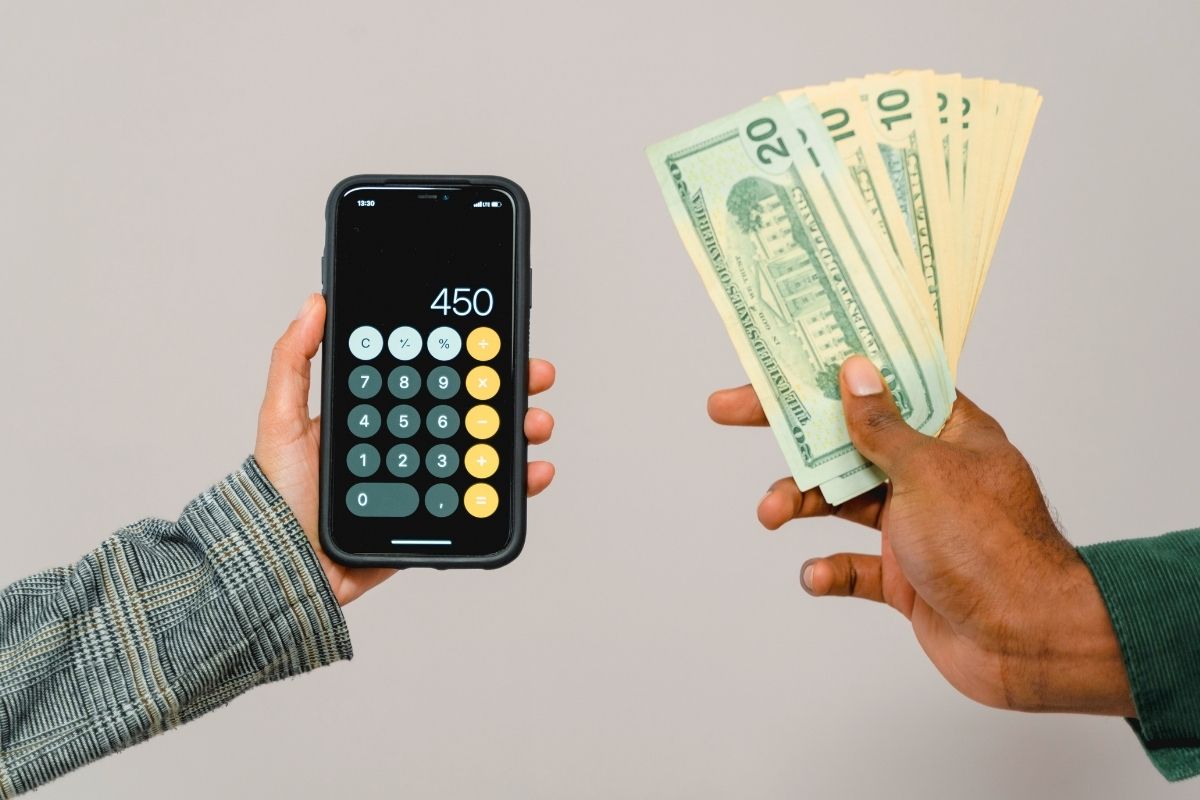
Photo by Tima M from Pexels
Let’s keep this real.
Meltdowns still happen.
But these helped us a lot:
- Give kids a role immediately
- Avoid shopping when they’re tired or hungry
- Keep their budget small and clear
- Let them make at least one decision
- Talk before saying no
- Most meltdowns aren’t about the item.
- They’re about control.
FAQ
Yes. Grocery shopping gives kids a real-life way to practice spending, saving, and making choices.
Even young kids can start with simple choices like picking one item within a small budget. Older kids can compare prices and track totals.
Keep it simple. Give one small job, one clear limit, and let your child help in a way they can handle.
Start by letting them choose one snack or item under a set amount. It is simple, clear, and easy to repeat.
Final Thoughts
You don’t need perfect grocery trips, just small moments that stick, when your kid pauses, thinks, and chooses what to do with money.
Start small, keep it simple, and let them learn at their own pace.
And if it gets a little messy sometimes, that usually means you’re doing it right.