

If you’re looking up benefits of having a cat with kids, you probably just want to know if it’s really worth it.
Parent Intel contains affiliate links and is a member of the Amazon Services LLC Associates Program. If you make a purchase using one of our links, we earn a small commission.
Because let’s be honest…
bringing a pet into your home with kids feels exciting but also a little overwhelming.
Most of us weren’t taught how pets actually shape kids beyond “it teaches responsibility.”
The good news?
It doesn’t have to be complicated. And you don’t have to be the perfect pet parent.
In this post, you’ll learn:
- how cats help kids build responsibility and empathy
- why cats can support emotional development in children
- simple ways cats encourage play and learning
- what families actually experience (the real-life version)
- whether having a cat fits your lifestyle
how cats teach responsibility and empathy
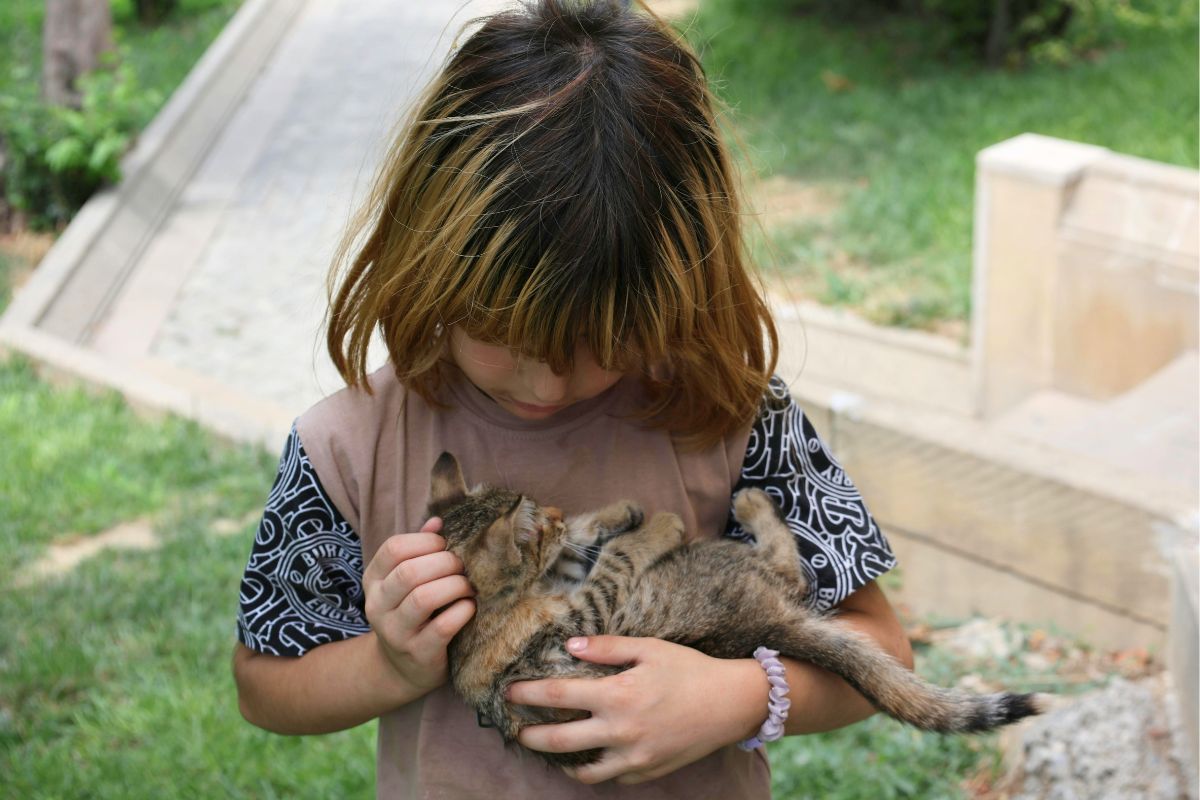
Photo by Tahir X from Pexels
Kids don’t learn responsibility from lectures.
They learn it from doing small things every day.
Feeding a cat. Filling water. Cleaning up.
It sounds simple but it sticks.
One time, my kid forgot to feed the cat in the morning.
By afternoon, the cat was loudly reminding everyone. That lesson? Way more effective than anything I could’ve said.
why this works
Kids connect actions to real outcomes. They see that their care matters.
parent tip
Start with one small task. Too many responsibilities at once usually fail.
helpful tool (optional):
A simple pet care chart or printable checklist made this easier for us no nagging needed.
cats give emotional support and calm moments

Photo by Jimmy C from Pexels
Some days are just… a lot.
And kids don’t always know how to say that.
Cats help in quiet ways. Sitting nearby. Purring. Just being there.
I’ve seen my child go from overwhelmed to calm just by sitting with our cat for a few minutes.
why this works
Physical touch and routine interaction can help reduce stress and anxiety in kids.
common mistake
Expecting kids to “talk it out” when they’re not ready. Sometimes they just need comfort first.
cats encourage play without pressure
Cats aren’t as demanding as dogs but they still love to play.
And for kids, that’s a win.
Laser pointers. String toys. Little chase games.
It’s easy, low-pressure movement.
One of my kids once spent 20 minutes trying to “teach” the cat a game.
The cat ignored most of it but my kid stayed active the whole time.
why this works
Play feels natural, not forced. Kids stay engaged longer.
parent tip
Keep a small basket of cat toys accessible so kids can start play anytime.
cats help build confidence and social skills
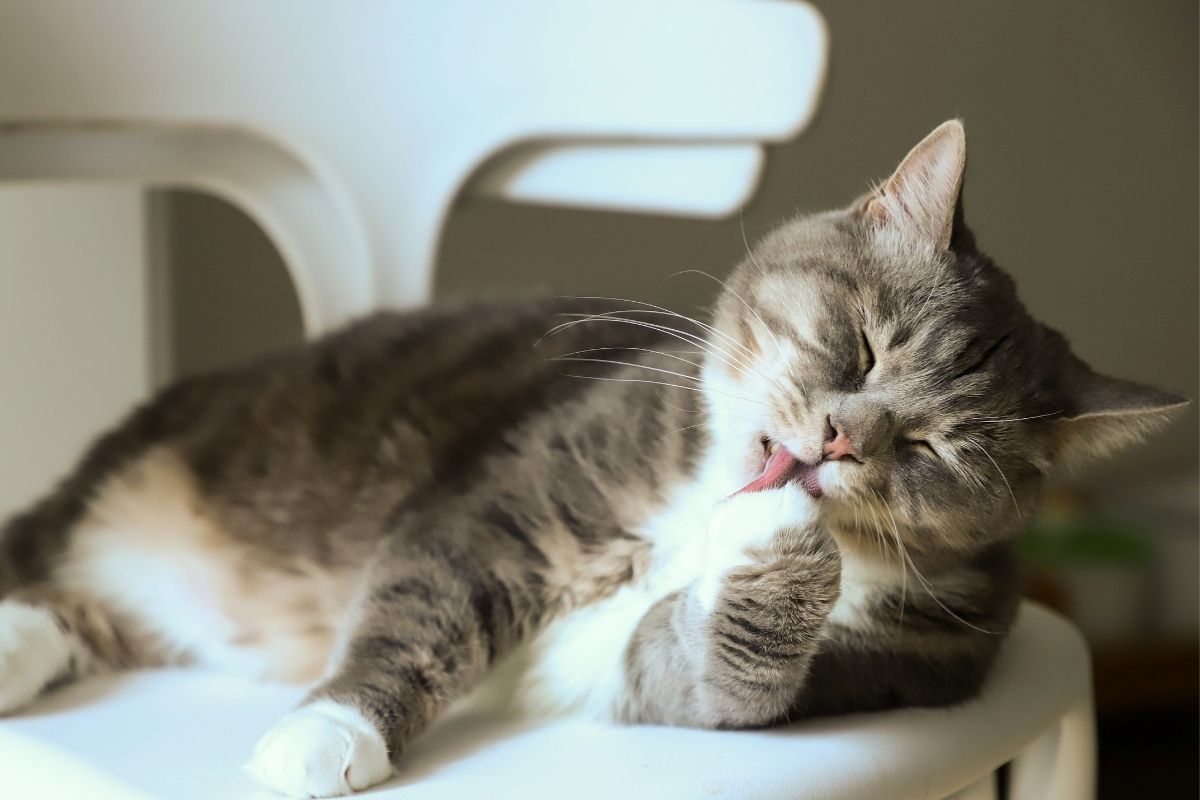
Photo by Cats Coming from Pexels
Pets give kids something to talk about.
“Look what my cat did today”
“My cat sleeps like this”
It becomes an easy way to connect with others.
And when kids take care of something on their own?
That confidence grows fast.
why this works
Kids feel proud when they’re trusted with responsibility.
common mistake
Doing everything for them. Let them help even if it’s not perfect.
cats bring the family together

Photo by Aleksandr N from Pexels
Pets create shared moments.
Feeding time. Funny cat habits. Quiet evenings.
It’s those small things that turn into memories.
We still laugh about the time our cat tried to sit in a cereal bowl.
It became one of those “remember when…” stories.
why this works
Shared routines strengthen family connection without extra effort.
cats support learning and curiosity
Kids are naturally curious about animals.
Why does the cat do that?
What does it mean when the tail moves?
These small questions turn into learning moments.
why this works
Observation builds problem-solving and thinking skills.
parent tip
Ask questions back instead of giving answers right away.
cats help kids understand life and loss

Photo by Snapwire from Pexels
This one is harder but important.
Having a pet helps kids understand aging, change, and eventually loss.
It’s not easy. But it’s real.
And it gives kids a safe place to learn those feelings.
why this works
Real experiences teach emotional resilience better than explanations.
common mistake
Avoiding the topic completely. Gentle honesty helps more.
FAQ about benefits of having a cat with kids
Yes, especially for teaching gentle behavior and responsibility. Always supervise younger kids.
Compared to dogs, yes but cats still need daily care, attention, and routine.
Around age 5 and up is ideal for helping with basic care, but younger kids can still bond with supervision.
Many families notice calmer behavior and emotional comfort when kids interact with cats.
kEY TAKEAWAYS
- the benefits-of-having-a-cat-with-kids go beyond just “having a pet”
- small daily tasks teach responsibility naturally
- cats offer quiet emotional support kids actually respond to
- playtime becomes easy and low-pressure
- pets create meaningful family moments without extra effort
- kids learn real-life lessons they won’t get from books
final thoughts
You don’t need a perfect setup to make this work, some days will feel messy, some days will feel calm, and both count.
If a cat fits your family, it can quietly teach your kids lessons that stick for life, one small moment at a time.
Start simple and let it grow with you, and if it helps, a small routine or checklist can keep things easier, you’re not doing it wrong, you’re learning together.