

Balancing kids’ screen time can feel overwhelming, especially when screens are part of school, learning, and entertainment.

Parent Intel contains affiliate links and is a member of the Amazon Services LLC Associates Program. If you make a purchase using one of our links, we earn a small commission.
The goal is not to remove screens completely. It is to help kids use technology in a healthy way while still making time for play, sleep, movement, and family connection.
With a few simple habits and realistic routines, your family can create a healthier balance that works in everyday life.
In this post, you’ll learn:
- how to balance kids’ screen time in a realistic way
- simple screen time rules for families
- healthy habits that support better routines
- ways to reduce screen time battles
- easy screen free activities kids can enjoy.
Why Kids’ Screen Time Needs Balance
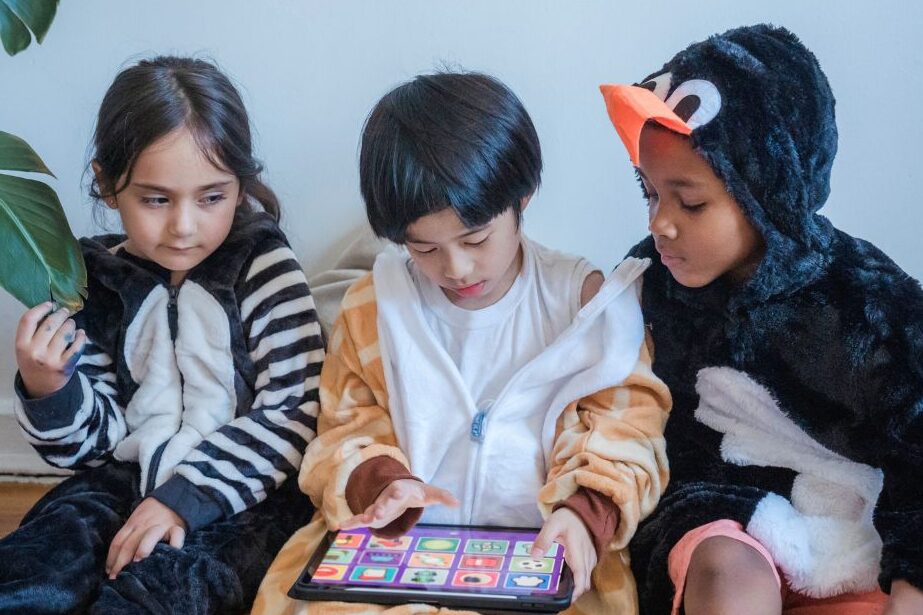
Photo by Liliana D from Pexels
Screen time is not always bad. Kids can learn, create, relax, and stay connected through technology.
The problem starts when screens become the first answer for boredom, stress, meals, bedtime, or every quiet moment.
Too much screen time may affect:
- sleep
- mood
- focus
- physical activity
- family connection
- interest in offline play.
This does not mean parents should feel guilty. Every family has days when the TV stays on longer than planned. What matters is having simple habits that help everyone reset.
Parent Tip: Instead of asking, “How do I stop screen time?” ask, “How can screen time fit better into our family routine?”
Start With Healthy Family Habits
Screen time rules work better when they are tied to your daily routine.
Before setting limits, ask:
- When do screens cause the most arguments?
- Is screen time affecting bedtime?
- Are screens replacing outdoor play or family time?
- Does my child struggle when screens turn off?
If bedtime is hard, start with a screen free bedtime routine. If mornings feel rushed, make mornings screen free. If your child asks for the tablet all afternoon, create one planned screen time window.
Create Simple Screen Time Rules

Photo by Gustavo F from Pexels
Kids do best with clear rules they can understand.
Simple screen time rules may include:
- No screens during meals
- No screens before school
- Screens turn off before bedtime
- Homework and chores come before games
- Tablet stays in the living room
- No devices in bedrooms at night.
Younger kids may need shorter screen time windows. Older kids may need more guidance with games, online safety, and social media.
Parent Tip: Use a simple screen time chart so kids can see the rules without parents repeating them all day.
Build a Healthy Screen Time Routine
A routine helps reduce the constant “Can I watch something?” question.
Choose set times for screens, such as:
- one show after quiet time
- tablet time while dinner is being made
- games after homework and chores
- family movie night on Friday
- video calls with family on weekends.
This helps kids understand that screen time is part of the day, not the whole day.
Protect Screen Free Family Moments

Photo by Kampus Production from Pexels
You do not need the whole day to be screen free. Just protect the most important moments.
Good screen free times include:
- breakfast
- family meals
- before school
- homework time
- outdoor play
- bedtime routine
- family conversations.
Meals and bedtime are great places to start because they support connection and rest.
Parent Tip: Start with one screen free time. Once it feels normal, add another.
Make Bedtime Screen Free
Bedtime is one of the best times to limit screens.
Fast shows, games, and videos can make it harder for kids to calm down. Even if they look relaxed, their brain may still be very awake.
A simple bedtime routine may include:
- bath
- pajamas
- brushing teeth
- bedtime story
- quiet music
- cuddles
- lights out.
Try turning screens off 30 to 60 minutes before bed. If that feels hard, start with 15 minutes and build from there.
Why this works: A calm bedtime routine helps kids move from busy energy to rest.
Help Kids Turn Off Screens
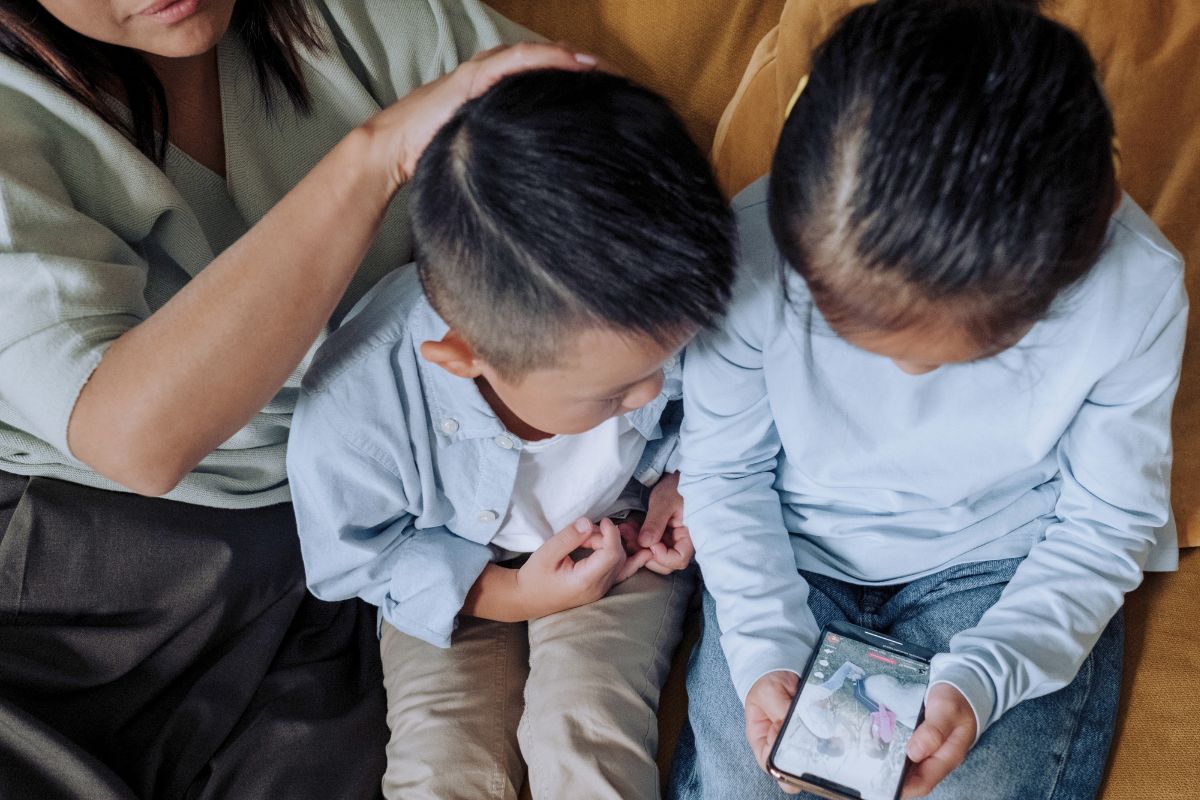
Photo by cottonbro studio from Pexels
Turning off screens can be hard. This is where many screen time battles happen.
Try these simple strategies:
- Give a five-minute warning.
- Say, “One more episode, then we turn it off.”
- Use a visual timer.
- Let your child press pause or turn it off.
- Tell them what happens next.
- Stay calm if they get upset.
Examples:
“After this show, we are having snack.”
“When the timer rings, the tablet goes on the charger.”
“One more game, then we are going outside.”
Parent Tip: Always name the next activity. “Screen time is over, now we are having snack” feels easier than just “Screen time is over.”
Offer Easy Screen Free Activities
Screen free activities do not need to be fancy. They just need to be simple and ready.
Try:
- building blocks
- coloring
- puzzles
- play dough
- sticker books
- blanket forts
- toy cars
- reading books
- outdoor walks
- bubbles
- simple crafts
- helping with dinner.
A small activity basket can help. Add crayons, stickers, puzzles, small toys, or books. Bring it out when your child needs something to do besides asking for the tablet.
Why this works: Kids accept less screen time more easily when they have another fun option.
Choose Better Screen Time

Photo by Ivan S from Pexels
Healthy screen time is also about choosing better screen time.
Positive screen time may include:
- educational videos
- reading apps
- drawing apps
- music apps
- language learning
- video calls with family
- online school activities
- creative games.
When you can, watch with your child and ask simple questions:
- “What happened?”
- “What did you learn?”
- “Which part was funny?”
- “Can we try that in real life?”
Teach Healthy Tech Habits
Kids need help learning how to use technology safely and wisely.
Teach them to:
- ask before using a device
- take breaks
- keep devices in shared spaces
- turn screens off when asked
- choose age-appropriate content
- avoid sharing private information
- be kind online
- tell an adult if something feels unsafe.
For older kids, talk about social media, online comparison, cyberbullying, and privacy. Keep the talks calm and short.
Parent Tip: Small talks often work better than one big serious conversation.
Model Balanced Screen Habits

Kids notice how adults use screens too.
Try simple family habits like:
- phones away during meals
- no phones during bedtime stories
- charging devices outside bedrooms
- family movie night instead of separate screens
- outdoor time before tablet time
- putting phones down during conversations.
You do not need to be perfect. Just show your child that everyone is learning balance.
Kids are more likely to follow screen rules when the whole family practices them.
Use Helpful Tools
A few simple tools can make screen time easier to manage.
Helpful options include:
- visual timers
- screen time charts
- printable routine charts
- parental control settings
- device charging stations
- activity bins
- storage baskets.
A visual timer can help kids see how much time is left. A routine chart can show when screens are allowed. A charging station can keep devices out of bedrooms at night.
Be Flexible When Life Changes

Photo by Helena L from Pexels
Some days will have more screen time than others. Sick days, travel days, rainy days, school breaks, and busy work weeks can change the routine.
That is okay.
Try saying:
“Today was a big screen day. Tomorrow we’ll start with outside time.”
Or:
“We watched more than usual today. Tonight we’ll do books before bed.”
One big screen day does not ruin everything. Just return to your normal routine.
Simple Screen Time Strategy to Start Today
Here is an easy plan:
- Choose one screen free time.
- Create one screen time window.
- Give a warning before screens turn off.
- Offer a next activity.
- Keep screen free activities nearby.
- Keep devices out of bedrooms at night.
- Reset when needed.
Small steps are easier to repeat. The goal is progress, not perfection.
Final Thoughts
Balancing kids’ screen time with healthy family habits and strategies is not about being strict all the time. It is about creating a family rhythm that includes technology, play, rest, learning, and connection.
Start small. Choose one rule. Add one screen free time. Try one simple routine.
Healthy screen habits are built little by little. And if today had more screen time than planned, tomorrow is a fresh chance to reset.


Spot on with this write-up, I actually think this website wants way more consideration. I’ll most likely be once more to read rather more, thanks for that info.