

If you’re searching for a 3d-ultrasound-guide, you probably just want a clear, honest idea of what to expect and whether it’s actually worth it.

Parent Intel contains affiliate links and is a member of the Amazon Services LLC Associates Program. If you make a purchase using one of our links, we earn a small commission.
Because let’s be real…
Pregnancy already comes with a lot of “should you or shouldn’t you” decisions. And this one? It feels exciting… but also a little confusing.
Most of us weren’t taught how ultrasounds really work beyond the basics.
The good news?
This is simpler than it sounds- and you don’t need to overthink it.
In this post, you’ll learn:
- what a 3D ultrasound actually shows (and what it doesn’t)
- the best time for a 3D ultrasound for clear images
- differences between 2D, 3D, and 4D ultrasounds
- what to expect during your appointment
- whether 3D ultrasounds are safe and worth it
What Is a 3D Ultrasound?

Photo by Marta B from Pexels
A 3D ultrasound creates a more lifelike image of your baby in the womb.
Instead of flat, black-and-white images (like 2D), you’ll see:
- facial features
- tiny hands and feet
- even expressions sometimes
It’s not just about “seeing your baby” it’s about recognizing them.
One mom shared that she didn’t feel fully connected until she saw her baby’s face during a scan and suddenly, it felt real.
Why this works:
Seeing detailed features helps strengthen early bonding for many parents.
Parent tip:
Don’t expect perfection. Babies love to hide their faces at the worst moment.
2D vs 3D vs 4D Ultrasound (What’s the Difference?)
2D Ultrasound (Medical Standard)
This is what your doctor uses for checkups.
It shows:
- baby’s growth
- heartbeat
- organs and development
Why this works:
It’s reliable and medically necessary.
Common mistake:
Thinking 3D replaces this, it doesn’t.
3D Ultrasound (Keepsake + Detail)
This gives you a still, detailed image of your baby’s face and body.
It’s mostly used for:
- bonding
- keepsake photos
Why this works:
You get a clearer picture of what your baby might look like.
4D Ultrasound (Live Movement)
This is basically 3D in motion.
You might see:
- yawning
- stretching
- little kicks
One parent said their baby kept “waving” during the scan and now it’s a core memory.
Why this works:
Movement makes the experience feel even more real.
Best Time for a 3D Ultrasound

Photo by SERHAT T from Pexels
The sweet spot?
Between 28–32 weeks.
At this stage:
- baby has more fat (cuter cheeks!)
- features are more defined
- images are clearer
You can do it at 26–27 weeks, but results may vary.
One time, a mom went at 26 weeks and got mostly… a hand covering the face. Classic.
Why this works:
Later weeks = better visibility and detail.
Parent tip:
Try to schedule when your baby is usually active.
Can You See Hair on a 3D Ultrasound?
Short answer: sometimes.
It depends on:
- baby’s position
- fluid levels
- image clarity
Some parents swear they saw hair…
Others saw nothing and had a full-haired baby at birth.
Why this works:
Ultrasound images aren’t perfect predictors.
Common mistake:
Expecting exact results. Babies love surprises.
What to Expect During a 3D Ultrasound Appointment
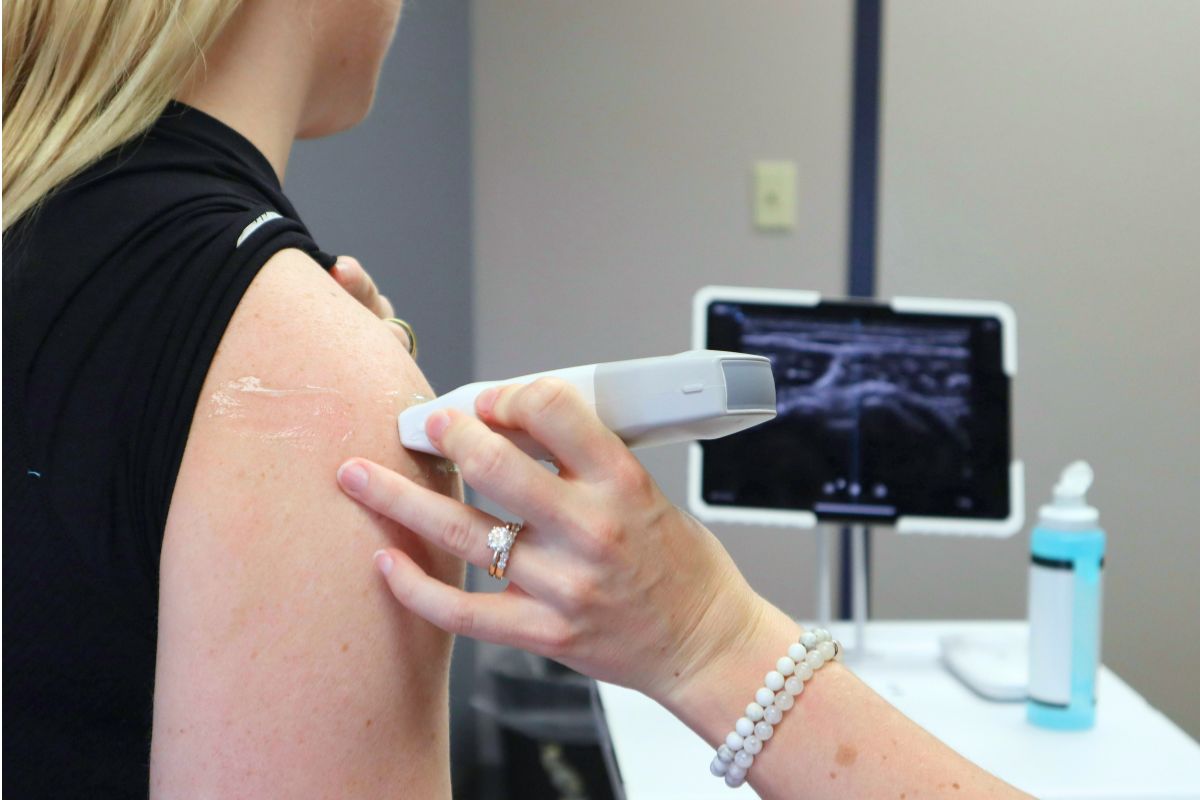
Photo by Carly D from Pexels
The process is simple and similar to regular scans:
- you lie down
- gel is applied to your belly
- the technician moves the wand
- images appear on screen
It usually takes 20–30 minutes.
Sometimes you’ll need to:
- switch positions
- walk around
- drink something sweet to wake baby up
One parent joked they had to “bribe” their baby with orange juice just to get a face shot.
Why this works:
Movement helps reposition baby for better images.
How to Get the Best 3D Ultrasound Images

Photo by Matilda W from Pexels
Here are simple ways to improve your results:
- stay hydrated (helps fluid levels)
- eat before your appointment
- go when baby is active
- wear comfortable clothes
Helpful tool (optional):
Some parents like using a simple pregnancy planner or checklist to track appointments and baby patterns, it made timing easier for us.
Why this works:
Better conditions = clearer images.
Are 3D Ultrasounds Safe?
Short answer:
Generally considered safe when done properly but always check with your healthcare provider.
3D ultrasounds use the same sound wave technology as 2D scans.
Important:
They should not replace routine medical scans recommended by your doctor.
Why this works:
Medical guidance ensures safety and proper use.
Is a 3D Ultrasound Worth It?

Photo by Isabella M from Pexels
Honestly? It depends.
For some parents, it’s:
- an emotional bonding moment
- a keepsake they’ll treasure forever
For others:
- it’s nice, but not necessary
And both are completely okay.
Why this works:
There’s no “right” parenting choice here.
FAQ: 3D Ultrasounds
Not too early, but images may not be as clear as 28–32 weeks.
Usually around 20–30 minutes.
They can sometimes help, but 2D ultrasounds are still the medical standard.
Nope. Expect at least one stubborn moment.
KEY TAKEAWAYS
- 3D ultrasounds give a clearer, more lifelike image of your baby
- best results are usually between 28–32 weeks
- they’re optional—not a medical necessity
- baby’s position affects image quality a lot
- the experience matters more than getting a “perfect” photo
Final Thoughts
You don’t need every extra to have a meaningful pregnancy experience. Some moments come from photos, and some come from quiet little kicks in the middle of the night and both are enough.
If you choose to do a 3D ultrasound, enjoy it for what it is, a simple glimpse, not a guarantee. And if you skip it, you’re not missing anything that truly matters.
You’re already doing enough. If you want things to feel more organized, a simple pregnancy checklist or planner can help you stay on track without the overwhelm. You’ve got this.