

If you’re looking up things they don’t tell you about labor, you probably just want the honest truth about what labor is really like.

Parent Intel contains affiliate links and is a member of the Amazon Services LLC Associates Program. If you make a purchase using one of our links, we earn a small commission.
You think you’re ready.
You packed the hospital bag three times.
You folded the tiny outfits.
You practiced breathing like you’re training for a marathon.
And then labor starts… and you realize there are things nobody actually told you.
Not your birthing class. Not the pregnancy app. Not even your well-meaning friends.
Don’t worry. This post about things they don’t tell you about labor is your safe space. I’ll give it to you straight, step by step.
KEY TAKE-AWAYS
- What no one tells you about labor and delivery
- Real truths about epidural timing, pushing, and tearing
- How long labor really lasts for first-time moms
- Tips for staying calm when things don’t go as planned
- Why the third stage of labor (placenta delivery) isn’t as scary as it sounds
- How to prepare for labor mentally
Let’s talk about the things people whisper about; but rarely explain.
1. Your Water Breaking Isn’t Always Dramatic

Photo by Vidal B from Pexels
Movies show a giant splash and instant chaos. Reality? Sometimes it’s just a trickle or barely noticeable at all.
With my first, I changed clothes twice before calling the nurse, wondering if I was imagining it.
Why this works:
Knowing this ahead of time can prevent panic or embarrassment.
Parent tip:
If you’re unsure, call your provider. They’ll guide you calmly.
2. Yes…You Might Poop While Pushing

Photo by Vidal B from Pexels
Let’s normalize it. Pushing feels like the biggest bowel movement of your life.
That’s because it uses the same muscles.
Nobody warned me about this in class. I remember thinking, “Wait…what’s happening right now, isn’t it?”
Why this works:
Relaxing makes pushing easier.
Common mistake:
Trying to hold back actually slows labor. Nurses have seen it all, promise.
3. Birth Plans Are More Like Birth Preferences
A detailed birth plan is great. But labor doesn’t follow plans.
With my third, I said I’d get an epidural “if there was time.” There wasn’t. Baby came too fast.
This was definitely one of the things they don’t tell you about labor!
Why this works:
Flexibility lowers disappointment and stress.
Parent tip:
Instead of writing “no epidural,” try “prefer to avoid unless medically necessary.”
Small wording shifts protect your mindset.
Helpful if you want to try it too:
A printable birth plan template makes noting preferences simple and stress-free. For more on how to prepare for birth, here’s our Real Life Baby Gear Checklist.
4. You Might Feel More Exposed Than Expected

Photo by Engin A from Pixabay
Labor starts quietly. Then pushing begins, and suddenly the room fills up: doctor, student, nurses, anesthesiologist.
During my last birth, I counted six people in the room. Six.
Why this works:
Expecting this prevents shock.
Common mistake:
Assuming it will be private and calm the whole time. Delivery rooms are active environments.
Helpful if you want extra comfort:
A labor support pillow can make the process more manageable during long labors.
No one told me I’d feel proud and terrified at the same time.
5. Epidurals Take Time (Sometimes Too Much Time)
When contractions hit hard, relief isn’t instant. You wait for the anesthesiologist.
Then it takes 20 to 30 minutes to work. I cried not from pain, but from pure overwhelm.
With one of mine, I was fully dilated before it even kicked in.
Why this works:
Understanding timing helps you make informed decisions.
Parent tip:
If you think you might want one, don’t wait until you feel desperate.
6. Tearing Is Common (And Not a Failure)
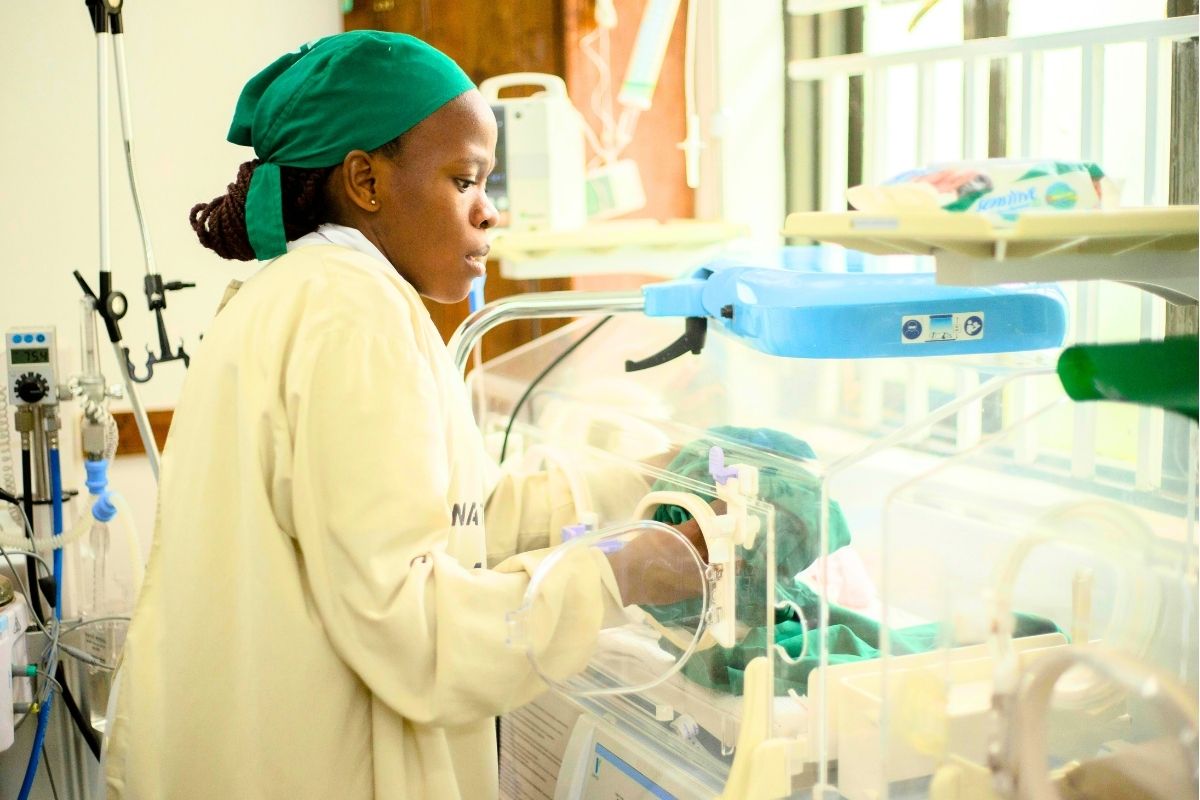
Photo by Speak Media Uganda from Pexels
Nobody loves talking about tearing, but it happens often; especially for first-time moms.
It sounds worse than it usually is, and your body heals.
Why this works:
Knowing this ahead of time prevents panic.
Common mistake:
Thinking your body “failed.” Birth stretches tissue, that’s all.
Helpful if you want to prepare:
Perineal massage guides or organic postpartum healing balms can make recovery gentler.
🧴 Postpartum Recovery Essentials (What Actually Helps)
Right after birth, your focus is on your baby.
But your body needs care too. You may not need all of this. But having it ready can bring serious peace of mind.
If you want to feel prepared (even if you don’t need everything), here’s what most moms say helped the most:
- Peri bottle – The hospital gives one, but upgraded angled bottles are much easier to use.
- Cooling pads or pad liners – They reduce swelling and feel incredibly soothing those first few days.
- Witch hazel pads – Great for irritation and healing support.
- Mom postpartum kit – A bundled option many moms love because it covers multiple recovery needs in one box.
- Sitz bath soak – Warm sitz baths promote healing, help with hemorrhoids, and reduce discomfort.
- Stool softener – Nobody talks about the first postpartum bathroom trip. This helps.
- High-waisted postpartum underwear – Soft, breathable, and supportive. Way more comfortable than regular underwear.
- Nipple cream – Helps with cracking and soreness
- Heating pad – Comfort for uterine cramps and back tension
7. You Deliver the Placenta Too
You’re holding your baby. Emotional. Thinking you’re done…but you’re not.
Delivering the placenta is the third stage of labor. I remember thinking, “There’s more?”
Why this works:
Understanding all stages makes the process less shocking.
Parent tip:
Focus on your baby. That part usually passes quickly.
8. Labour Can Last 24+ Hours

Photo by Luis B from Pexels
My first labor started at 10 p.m. He was born at 2 a.m. two days later.
We were sent home, went back, sent home again. We walked the halls and tried to nap. Couldn’t.
I was exhausted before pushing even began.
Why this works:
Expecting a long labor helps you pace mentally.
Common mistake:
Thinking you’ll “sleep when it starts.” You probably won’t.
Personal story:
I remember sitting in the hall at 3 a.m., trying to nap between contractions. My husband snored. I didn’t.
Looking back, it was hilarious and exhausting.
Helpful if you want to try it too:
A soft robe and comfy socks can make long labor hours a bit more bearable. To bank a little sleep and energy, plan your babymoon before delivering!
🕒 If Labor Is Taking Longer Than Expected…
Long labor isn’t just physical. It’s mental.
These tools can help you stay focused and calm when hours start blending together:
- Contraction timer apps: Helpful for tracking patterns without guessing. Many first-time moms feel more in control when they can see spacing clearly.
- Hypnobirthing audio tracks: Even if you’re not fully “hypnobirthing,” guided breathing and affirmations can reduce anxiety during intense waves.
- Labor meditation playlists: Calming audio helps when hospital rooms feel overwhelming.
- Online birthing courses: Some moms say having extra knowledge reduces fear during transition and pushing.
Tip: You may not need all of this. But knowing support is there can change your mindset.
Comfort During Labor Essentials
If labor ends up being long (and for first-time moms it often is), a few comfort items can make a huge difference.
These aren’t “must-buys.”
But they’re the things moms consistently say they were grateful to have.
- Hospital bag organizer cubes – Digging through a messy bag during contractions is not fun. Packing cubes keep everything easy to grab.
- Extra-long phone charger – Hospital outlets are never where you need them. A 6–10 ft charger saves frustration.
- Labor comb for pain management – This sounds random, but squeezing a comb during contractions can redirect pain signals. It’s a simple, drug-free trick many moms swear by.
- Cooling face spray or facial mist – Labor rooms get warm. A quick mist between contractions feels amazing.
- Organic lip balm – Hospitals are dry. Oxygen masks dry you out even more.
- High-protein labor snacks – If your hospital allows eating in early labor, protein bars or electrolyte drinks help maintain energy.
- Non-slip fuzzy socks – Hospital floors are cold. Comfort matters more than you think.
- Birth affirmation cards – When labor gets intense, small positive reminders help you refocus. I am absolutely in love with this or this.
9. Pushing Can Take Hours
Some babies come in minutes. Others take time.
My first pushing stage lasted two hours. I truly thought something was wrong. It wasn’t.
Why this works:
Understanding the pushing stage reduces fear if it takes longer than expected.
Parent tip:
Sip fluids whenever allowed. Energy matters.
10. Only About 4% of Babies Are Born on Their Due Date

Photo by Ramakanth C from Pexels
Due dates are estimates, not deadlines. Most first-time moms go past them.
I stared at my calendar like it was a contract. It wasn’t.
Why this works:
Managing expectations reduces frustration.
Common mistake:
Scheduling your whole life around that exact date. Get your date nights in now, ladies!
11. Transition Phase Intensity Is Next-Level
If you’ve never heard of “transition,” you’re not alone.
Transition is the final part of dilation — usually 8 to 10 cm. It’s often the shortest stage… and the most overwhelming.
This is where many moms say:
- “I can’t do this.”
- “I changed my mind.”
- “I want to go home.”
I remember looking at my husband and saying, “This was a mistake.” It wasn’t. It was transition.
Why this catches moms off guard:
No one explains that the moment you feel like quitting is often the moment you’re almost there.
Common signs labor is close:
- Intense back-to-back contractions
- Shaking
- Nausea
- Feeling emotional or panicked
12. The Shaking Is Real
Nobody told me I might shake like I just ran a marathon.
My teeth chattered. My hands trembled. I wasn’t cold. It’s hormonal. It’s normal. It’s weird.
Labor hormones surge fast. Your body floods with adrenaline and oxytocin. That surge can cause uncontrollable shaking — during transition, pushing, or even after birth.
Why this catches moms off guard:
Shaking feels scary if you don’t expect it.
Parent reassurance:
It usually passes on its own. Warm blankets help. So does knowing it’s normal.
13. Yes, You Might Vomit During Labor
Nobody talks about this one. But nausea and vomiting are common — especially during transition.
Your body is working hard. Hormones spike. Pain peaks. The stomach reacts.
I remember dry heaving between contractions and thinking, “Seriously? On top of everything else?”
Why this catches moms off guard:
Vomiting feels like something is wrong. Usually, it isn’t.
Common mistake:
Panicking and assuming labor is going badly. Often it means your body is progressing.
14. The Adrenaline Crash After Birth Is Real
You think the hard part is over once baby is here. And physically? It mostly is.
But emotionally? There can be a sudden drop.
After my first, I felt euphoric for about 20 minutes. Then I felt shaky, exhausted, and strangely emotional.
Your body goes from:
Peak intensity → sudden stillness.
Adrenaline drops. Oxytocin rises. You’re overwhelmed, proud, tired, and wired all at once.
Why this catches moms off guard:
No one explains that you might cry for no clear reason after birth.
Not because you’re sad.
Because your body just did something massive.
Labour Myths vs Reality (SEO Comparison Table)
| What You Expect | What Actually Happens |
|---|---|
| Water breaks dramatically | It might be a slow leak or not break until active labor |
| Epidural = instant relief | It takes 20–30 minutes to place and kick in |
| Due date = delivery day | Only about 4% of babies arrive on that exact date |
| Birth plan = full control | Flexibility matters more than perfection |
| Labor steadily builds | It can stall, speed up, or change suddenly |
| Pushing takes minutes | It can take 1–3 hours, especially for first-time moms |
| Once baby is out, you’re done | You still deliver the placenta and recover |
| You’ll feel calm and glowing | You might shake, cry, or feel totally overwhelmed |
Quick FAQ (For First-Time Moms)
12–24+ hours is common. Subsequent births usually go faster.
Follow the 5-1-1 rule (contractions 5 minutes apart, lasting 1 minute, for 1 hour), but always confirm with your provider.
Yes, especially with first babies. Most cases are minor and heal well.
Many moms say pushing feels different, more productive, because you’re actively working with your body.
Yes. Vocalizing can actually help manage pain.
Often intense and emotional. Many moms feel like quitting right before pushing begins.
Depends on hospital policy and whether you have an epidural.
Helpful if you want to try it too:
Some pregnancy apps let you track stages and contractions, which can make you feel more in control.
Helpful Labour Infographic

Perfect to screenshot, print, or share with another expecting mom.
Final Thoughts
Labor is unpredictable, messy, emotional, and powerful. Your body knows what it’s doing—even when it doesn’t feel like it.
No birth goes exactly as planned, and that doesn’t mean it wasn’t successful.
Prepare what you can, let go of what you can’t control, and remember: you are stronger than you think.
If this helped even a little, share it with another mama who needs the real version.