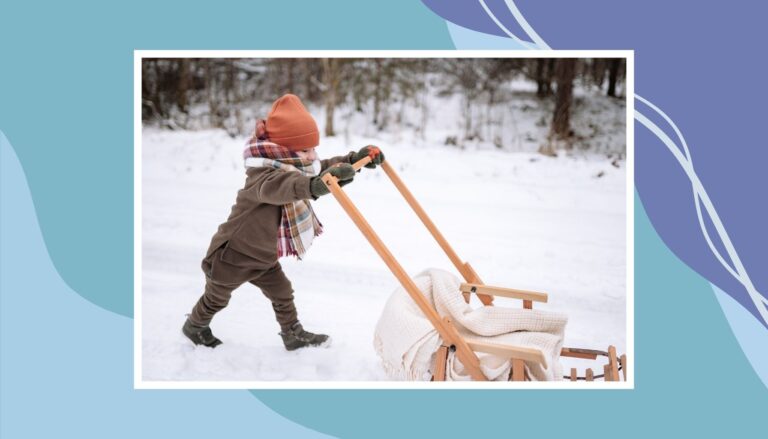

Teaching kids boundaries can feel hard when you are tired, rushed, or overwhelmed.

Parent Intel contains affiliate links and is a member of the Amazon Services LLC Associates Program. If you make a purchase using one of our links, we earn a small commission.
Maybe your child keeps pushing bedtime, grabbing toys, asking for more screen time, or melting down when you say no.
Positive discipline strategies can help you teach better choices with kindness, clear limits, and consistency.
In this post, you’ll learn:
- use positive discipline without yelling
- set clear boundaries kids understand
- respond when kids push limits
- choose age-appropriate discipline strategies
- start with one simple boundary this week.
What Is Positive Discipline?

Photo by Elina F from Pexels
Positive discipline is a calm way to guide kids while teaching responsibility, respect, and self-control.
Instead of focusing only on punishment, positive discipline uses:
- clear rules
- simple choices
- calm reminders
- natural consequences
- routines
- connection
- problem-solving.
The goal is not perfect behavior. The goal is learning.
Parent Tip: Think of discipline as teaching, not winning. Your child is still learning how to handle big feelings, choices, and limits.
Why Kids Need Clear Boundaries
Boundaries help kids understand what is safe, kind, and expected.
Kids need clear limits around everyday things like hitting, bedtime, screen time, sharing, and respectful words.
Clear boundaries help children feel more secure because they know what to expect. When rules change often, kids may push harder because they are trying to figure out where the real limit is.
Giving in every time your child cries, begs, or argues can teach them that the boundary changes if they push long enough.
How To Set Boundaries Without Yelling

Photo by Pavel D from Pexels
The best boundaries are short, clear, and specific. When kids are upset, simple words work better than long lectures.
Instead of vague phrases, use clear limits:
- Instead of “Stop being bad,” say “Blocks are for building, not throwing.”
- Instead of “You never listen,” say “Shoes go on before we leave.”
- Instead of “Be nice,” say “Use gentle hands.”
You can also set the rule before the problem happens:
- Before bedtime: “After two books, it is time for lights out.”
- Before the store: “We are buying groceries today, not toys.”
- Before screen time: “You can watch one show. When it ends, the tablet goes away.”
What To Say When Kids Push Boundaries
Kids will push limits. That is normal.
When your child resists a boundary, keep it simple:
- name the feeling
- repeat the limit
- offer the next step
- follow through.
Example:
“I know you want more tablet time. It is hard to stop. Tablet time is done. You can choose blocks or coloring now.”
Helpful positive discipline phrases:
- “I hear you. The answer is still no.”
- “You can be mad, but you cannot hit.”
- “Try again with kind words.”
- “The rule is not changing.”
- “You have two choices.”
- “Let’s take a break and try again.”
Parent Tip: Once the boundary is clear, avoid explaining it over and over. Repeat the limit calmly and keep your response consistent.
Positive Discipline Strategies That Work

Photo by Pavel D from Pexels
Offer choices within limits
Kids often cooperate better when they feel some control. Try simple choices like:
- “Red cup or blue cup?”
- “Brush teeth before or after pajamas?”
- “Hold my hand or ride in the cart?”
The boundary stays the same, but your child gets a small choice. Only offer choices you can actually accept.
Use consequences that match the behavior
Consequences should be calm, fair, and connected.
- If a toy is thrown, the toy gets put away.
- If supplies are left out, your child helps clean up.
- If homework is forgotten, your child may need to explain it at school.
The goal is to help kids understand that choices have outcomes.
Use routines to prevent battles

Photo by Kampus Production from Pexels
Routines make daily limits easier because kids know what comes next. A morning checklist, bedtime chart, screen time timer, or clean-up routine can reduce repeated reminders.
Help kids calm down first
Kids usually cannot learn during a meltdown. Try deep breaths, a cozy blanket, quiet music, a drink of water, or a short break before talking about what happened.
Model the behavior you want
Kids learn by watching how adults handle limits and frustration. Use calm words, take a deep breath, and repair when needed:
“I was too loud. I’m sorry. Let’s try again.”
Positive Discipline By Age
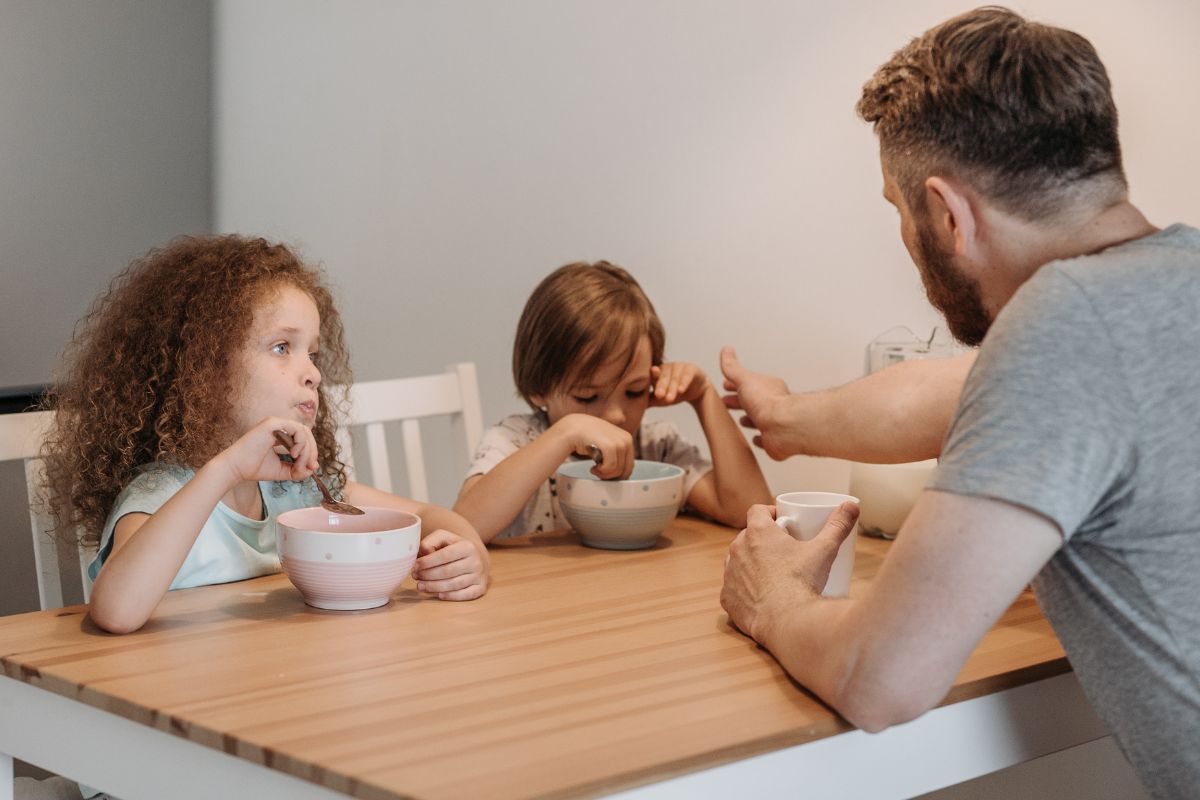
Photo by Pavel D from Pexels
Positive discipline works best when the boundary matches your child’s age and stage.
Toddlers
Keep rules short and repeat them often.
Focus on gentle hands, staying near an adult, food at the table, and simple bedtime steps.
Preschoolers
Practice routines, turn-taking, and kind words.
Use simple questions to help them think through what to do next.
School-Age Kids
Focus on responsibility and follow-through.
Use clear rules for homework, chores, screen time, bedtime, and respectful language.
Parent Tip: A simple chore chart or routine tracker can help reduce reminders.
Quick Win: Start With One Boundary This Week
You do not need to fix every behavior at once. Choose one boundary to practice this week, such as:
- bedtime routine
- screen time limit
- gentle hands
- morning routine
- cleaning up toys
- homework before games.
Example:
“This week, we are practicing tablet time. You can watch one show after dinner. When the show ends, the tablet goes away.”
Parent Tip: Keep the rule simple, repeat it calmly, and follow through as consistently as you can. Small changes are easier for kids to understand and easier for parents to maintain.
Helpful Tools That Make Boundaries Easier

Photo by Karola G from Pexels
You do not need fancy tools to set boundaries, but simple supports can make routines easier.
Helpful tools may include:
These tools work best when they support the boundary, not replace it. A bedtime chart can show the steps, a timer can show when screen time ends, and a calm-down basket can help your child settle before talking through a problem.
Common Positive Discipline Mistakes To Avoid
Positive discipline takes practice. These common mistakes can make boundaries harder to keep:
- Changing the rule too often: Kids push harder when limits are unclear.
- Setting too many rules at once: Start with one daily struggle first.
- Using too many words: Keep limits short during emotional moments.
- Offering fake choices: Only give options you can accept.
- Forgetting to follow through: Boundaries need calm action, not just words.
- Only correcting bad behavior: Notice the behavior you want repeated.
Try simple praise like:
- “You used gentle hands.”
- “You stopped when I asked.”
- “You cleaned up without arguing.”
- “You were upset, but you used your words.”
Small praise can encourage better choices over time.
Final Thoughts
Positive discipline helps kids learn boundaries with kindness, respect, and consistency. It teaches them that rules are not punishment. They are part of keeping everyone safe and supported.
You do not need to stay calm perfectly every time. Some days you will stay steady, and some days you will apologize and try again. That still counts.
Start with one small boundary, like bedtime, screen time, gentle hands, or morning routines. Keep the rule simple, follow through, and celebrate small wins.