

The first morning back at work may include cold coffee, a packed diaper bag, and a baby who suddenly refuses to cooperate.

Parent Intel contains affiliate links and is a member of the Amazon Services LLC Associates Program. If you make a purchase using one of our links, we earn a small commission.
Returning to work after maternity leave can feel overwhelming, but you do not need a perfect system. Focus on the hardest parts, keep your routine simple, and adjust as you go.
In This Post, You’ll Learn:
- How to prepare for your first day back
- Ways to make childcare drop-off easier
- Simple morning and evening routines
- Practical pumping tips
- How to plan for sick days and stressful weeks.
Test Your Routine Before Your First Day
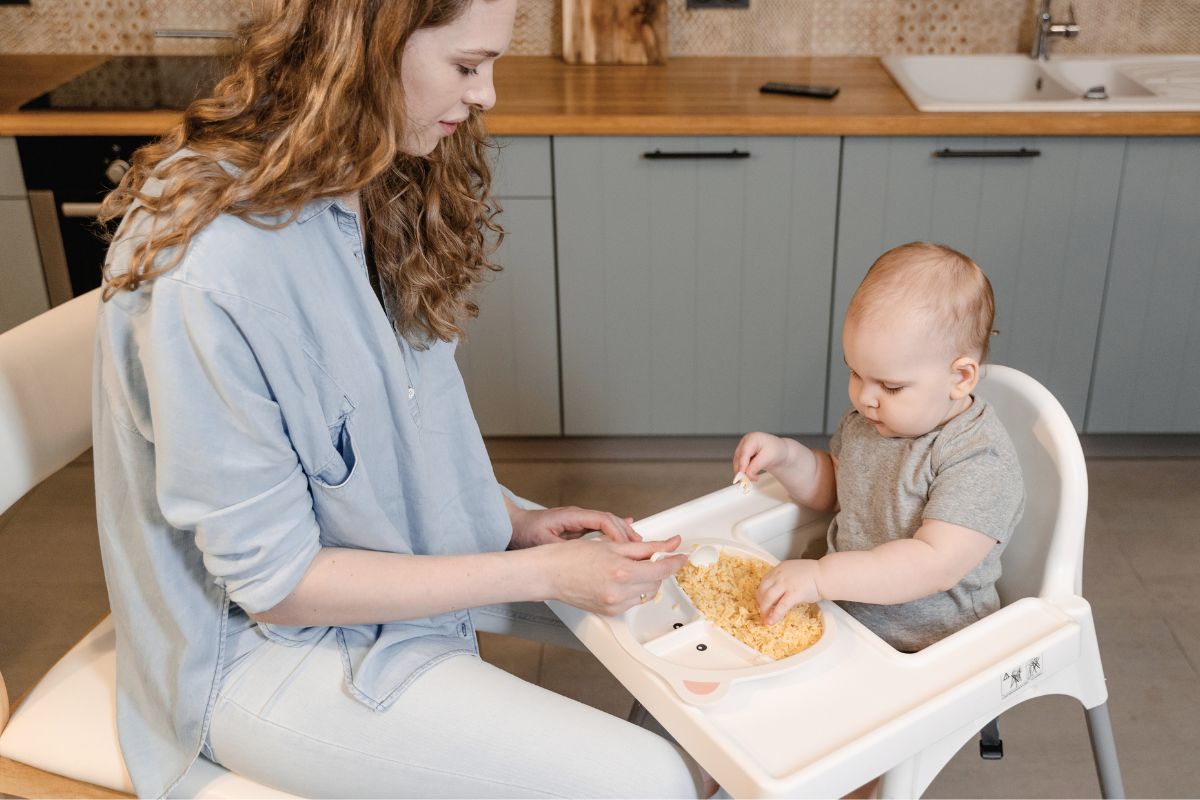
Photo by MART PRODUCTION from Pexels
A practice morning can help you spot problems before work begins.
A few days before returning:
- Wake up at your planned time
- Feed and dress your baby
- Pack your bags
- Complete a practice childcare drop-off
- Travel toward work or another nearby place.
Time the full routine and add a 15- to 20-minute buffer for traffic, diaper changes, or forgotten items.
The first time I tried a practice morning, my baby decided it was the perfect day to refuse the bottle. It was stressful in the moment, but I was relieved to discover the problem before my actual first day back.
Prepare as much as possible the night before:
- Work and childcare bags
- Bottles and feeding supplies
- Clothes
- Breakfast and snacks
- Pump parts and chargers
- Keys and shoes.
Parent Tip: The goal is not to wake up earlier. It is to make fewer decisions when you are tired.
Make the Childcare Transition Gradual
When possible, do not make your first workday your baby’s first full day with a new caregiver.
Start with a short visit, then try a few hours, a half-day, and one full practice day.
Ask the caregiver:
- How will updates be shared?
- When will you contact me?
- What happens if my baby refuses a bottle or nap?
- What supplies should stay there?
- How do you handle illness or closures?
Share only the most useful details about feeding, sleep, allergies, and comfort habits.
Keep backup diapers, wipes, clothes, bottles, and pacifiers at childcare when allowed.
A short goodbye routine can also help. Give your baby a hug, use the same simple phrase, and leave calmly.
Talk to Your Employer Before You Return

Photo by Sarah C from Pexels
Contact your manager before your first day and confirm:
- Your return date and schedule
- Changes to your role or team
- Your main priorities
- Flexible or remote work options
- Pumping arrangements
- New policies or training.
Many employers offer remote or hybrid options, so ask whether flexible hours, a gradual return, or occasional work-from-home days are possible. Even a small adjustment can make childcare, pumping, and appointments easier.
Be specific about the arrangement you are requesting and explain how you will continue meeting your responsibilities.
Keep Your Daily Routine Simple
Your routine should still work after a difficult night.
A basic morning may include:
- Feed the baby
- Get everyone dressed
- Pack essentials
- Check the bags
- Leave the house.
Housework can wait.
Divide tasks clearly with your partner or support person so one person is not managing everything.
Keep evenings simple:
- Put bags in one place
- Feed or cuddle your baby
- Prepare only what you need for tomorrow.
There were evenings when I planned to prepare everything perfectly but ended up sitting on the floor cuddling my baby instead. On those nights, packing the essentials and leaving the rest for later was enough.
Parent Tip: Simple dinners like leftovers, soup, pasta, sandwiches, or planned takeout can save time and energy.
Make Pumping at Work Easier

Photo by Sarah C from Pexels
Pumping takes time to set up, store milk, pack supplies, and return to work.
Before your first day, confirm:
- Where you can pump privately
- Whether the door locks
- Where milk can be stored
- How breaks should be scheduled
- What backup space is available.
Pack:
- Pump and power cord
- Clean pump parts
- Milk containers
- Cooler and ice packs
- Water and snacks
- Nursing pads
- Spare shirt.
Block pumping sessions on your calendar and ask to move meetings that conflict with them.
A second set of pump parts or a backup manual pump can also make difficult days easier.
Workplace pumping rules vary by location, so check your employer’s policy and local employment laws.
Plan for Sick Days
Babies get sick, caregivers cancel, and childcare centers close.
Discuss your backup plan before you need it:
- Who has more flexibility on certain days?
- Will you alternate sick days?
- Who can attend appointments?
- Can either parent work remotely?
- Which backup caregivers are truly available?
- Who can pick up the baby quickly?
Remote or hybrid work may make some unexpected days easier, but working from home while caring for a sick baby is still difficult. Discuss what your employer expects and whether you may need to use leave, adjust your hours, or share care with your partner.
Do not assume the mother will handle every childcare emergency.
Parent Tip: Keep childcare contacts, healthcare details, emergency numbers, allergies, and medication instructions in one shared place.
Lower Expectations During the First Few Weeks

Photo by Edward E from Pexels
The first weeks back are an adjustment period.
At work, choose one main goal each day instead of trying to catch up on everything at once.
At home, a successful day may simply mean:
- Everyone ate
- The baby had what they needed
- Bottles were prepared
- You spent time together
- You went to bed instead of finishing every chore.
Use shortcuts without guilt. Grocery pickup, frozen meals, repeated dinners, and unfinished laundry can protect your energy.
One evening during a particularly tiring week, dinner was frozen food and the clean laundry stayed in the basket. Nothing was perfectly organized, but everyone was fed, safe, and ready for the next day.
Once a week, ask:
- What caused the most stress?
- What did we forget?
- Is one person doing too much?
- What can we simplify?
Change only one or two things at a time.
Quick Returning-to-Work Checklist

Photo by Karola G from Pexels
Before Your First Day
- Confirm your schedule and priorities
- Practice the morning and childcare routine
- Ask about pumping arrangements
- Prepare a sick-day plan
- Choose easy meals and work outfits.
The Night Before
- Pack all bags
- Prepare bottles and food
- Set out clothes
- Charge devices and your pump
- Place keys and essentials near the door.
During Your First Week
- Focus on a few important tasks
- Leave extra time for drop-off
- Protect meal and pumping breaks
- Ask for specific help
- Adjust routines that are not working.
Final Thoughts
Returning to work after maternity leave is not a test of how organized or productive you are. Some days will go smoothly. Others may include tears, traffic, forgotten bottles, or last-minute changes.
A good routine will not prevent every problem, but it can help your family recover when things do not go as planned. Remote or hybrid work may make the transition easier for some families, but no arrangement removes every challenge. Prepare the hardest parts first, share responsibilities clearly, and give yourself time to adjust.
You do not need to plan the next six months today. Prepare for tomorrow, and let that be enough.