
Back-to-school shopping can get stressful fast. A short supply list can turn into backpacks, shoes, lunch gear, uniforms, and classroom items you are not sure your child even needs.

Parent Intel contains affiliate links and is a member of the Amazon Services LLC Associates Program. If you make a purchase using one of our links, we earn a small commission.
The goal is not to buy everything at once. It is to know what to buy now, what can wait, and where your budget matters most.
These practical back-to-school shopping tips will help you save money, avoid unnecessary purchases, and prepare with less stress.
In this post, you’ll learn:
- What to check before buying new supplies
- Which items to buy early and which should wait
- How to set a realistic school shopping budget
- Where to save and where quality matters
- How to involve your child without overspending.
Check and Reuse What You Already Have
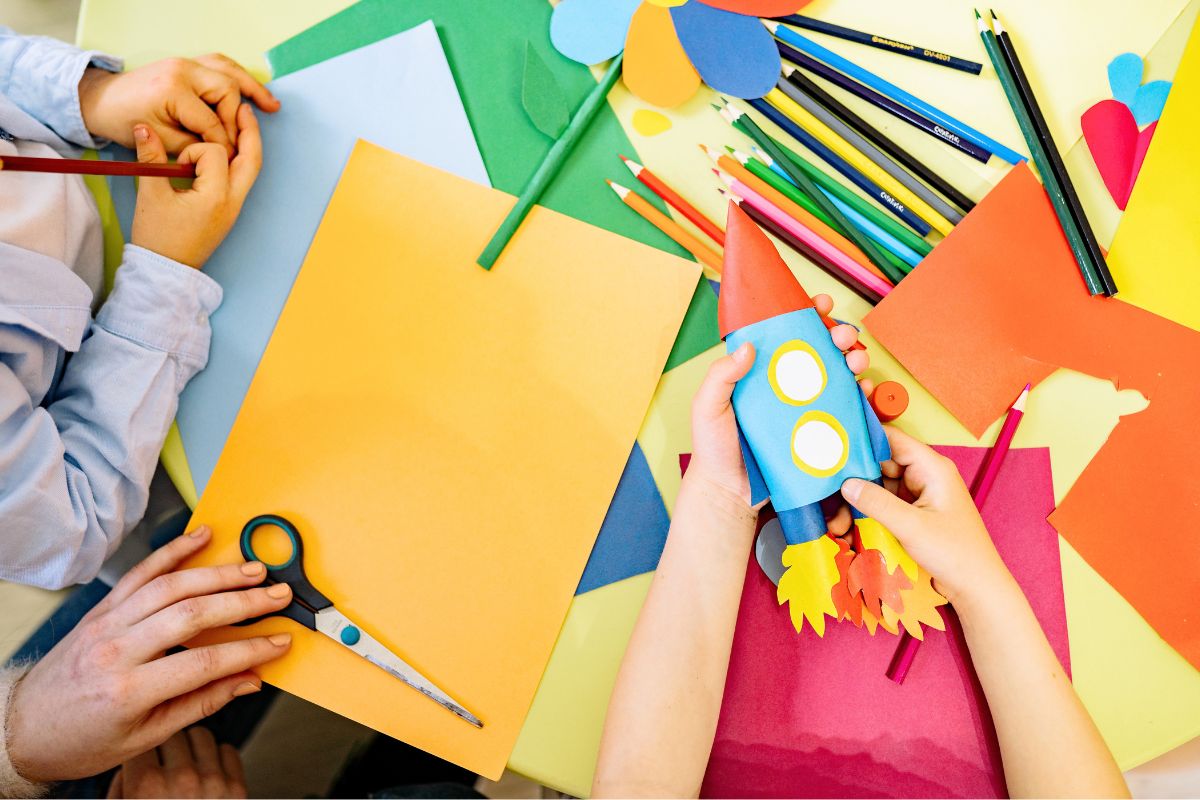
Photo by Yan K from Pexels
Before shopping, spend twenty minutes checking drawers, backpacks, craft bins, and last year’s supplies.
Test markers, check glue sticks, look for unused notebooks, and make sure lunch boxes, water bottles, shoes, and backpacks still work.
I once bought another large pack of pencils, then found several unopened boxes at home. Since then, I put everything on the table before making the final list.
Take a photo of what you plan to reuse. It is easier than trying to remember what is at home while standing in a crowded store.
Why this helps: A quick supply check prevents duplicate purchases and makes the final list feel much more manageable.
Parent Tip: Keep leftover supplies in one labeled bin during the school year.
Wait for the Official School List
It is fine to buy a few basics early, but avoid guessing about class-specific supplies.
Teachers may request certain notebook types, folder colors, calculators, headphones, or binder sizes. Store checklists often include items your child may never use.
Usually Safe to Buy Early
- Pencils
- Erasers
- Glue sticks
- Tissues
- Lunch containers
- Water bottles
- Name labels
- Basic socks and clothing.
Confirm Before Buying
- Calculators
- Tablets or laptops
- Headphones
- Large binders
- Specialty notebooks
- Art kits
- Technology accessories.
Keep receipts and packaging until the school confirms that expensive items are correct.
Why this helps: Waiting can prevent wasted money and extra return trips.
Set a Realistic School Shopping Budget
Photo by Pragyan B from Pexels
Your back-to-school budget should include more than classroom supplies. Remember to account for backpacks, lunch gear, clothing, shoes, uniforms, technology, activity fees, and unexpected first-week requests.
To avoid overspending, divide the list into three groups.
Buy Now
Start with confirmed essentials:
- Backpack
- Writing supplies
- Lunch box
- Water bottle
- Shoes
- Required clothing
- Confirmed classroom items.
Buy Later
Wait until school begins before purchasing:
- Extra notebooks
- Additional uniform pieces
- Subject-specific tools
- Technology accessories.
Optional
Buy these only if there is room in the budget:
- Decorative pens
- Backpack charms
- Trendy pencil cases
- Locker decorations.
Buy required items first, replace only what is broken or too small, and keep some money aside for later requests. Compare prices, but only stock up on basics your child regularly uses.
For a tighter budget, reuse supplies, split bulk packs, use hand-me-down uniforms, or ask the school about available support.
Why this helps: Prioritizing purchases keeps optional items from using money needed for essentials.
Common Mistake: A discounted item is not a bargain if your child does not need it.
Know Where to Spend More and Where to Save
Photo by Tima M from Pexels
Not every school supply needs to be expensive.
Choose everyday items carefully, especially those your child carries, wears, or opens independently.
Choose Carefully
Check whether your child can carry, open, close, or use each item without help.
We once bought a water bottle because the design was cute, but the lid was too difficult to open. It came home nearly full every day.The simpler replacement was used much more often.
Save on the Basics
Basic versions usually work well for:
Why this helps: Spending more on comfort and daily use gives better value than upgrading every small supply.
Let Kids Choose Without Overspending
Children are often more excited about school when they help choose their supplies.
Instead of offering the whole aisle, give them two or three options that already fit your budget.
Try saying:
- “You can choose the blue one or the green one.”
- “Pick one notebook with a special design.”
- “Would you rather have character pencils or a pencil case?”
One of my kids once spent almost twenty minutes comparing two similar pencil cases. I learned that fewer choices usually make shopping easier.
A simple rule is to let your child choose one fun item and keep the rest practical.
This is also a good opportunity to teach your child the difference between needs and wants while making real shopping decisions together.
Shop Online for Convenience and In Person for Fit
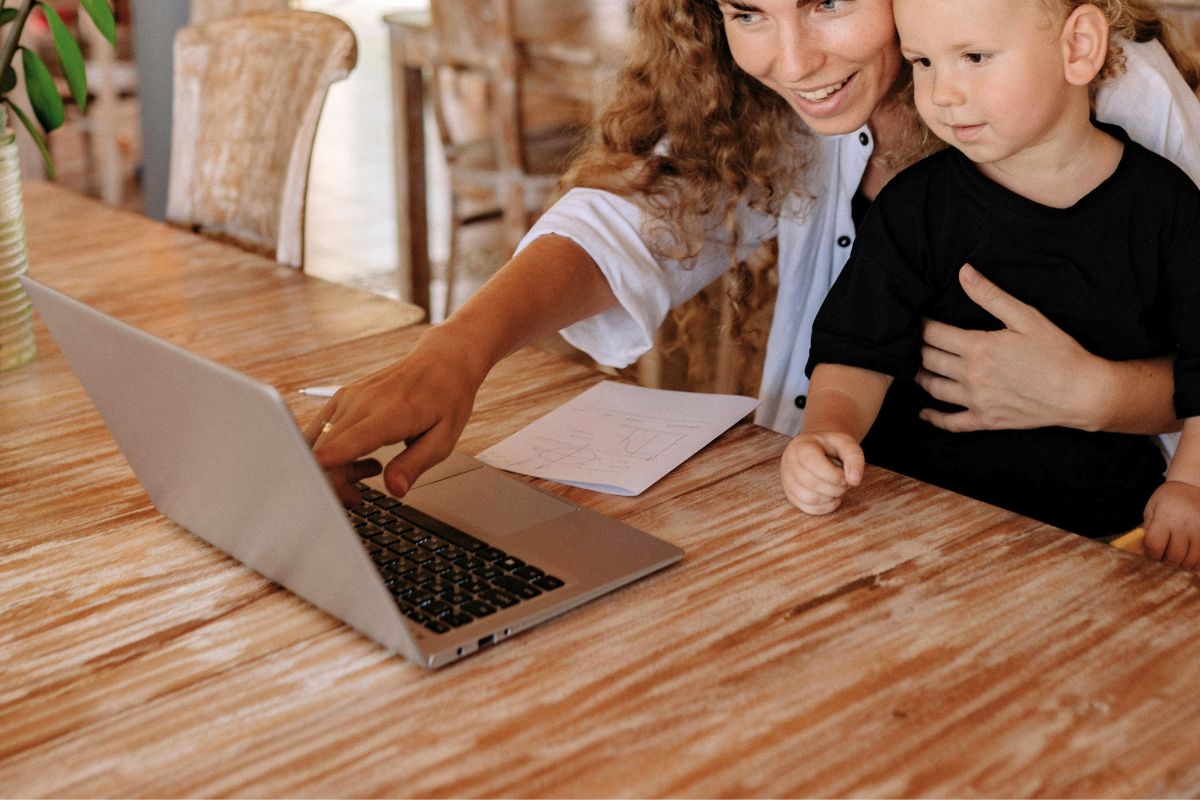
Photo by Yan K from Pexels
Online shopping works well when you know exactly what you need.
Buy Online
- Bulk pencils and notebooks
- Specific folder colors
- Name labels
- Replacement food containers
- Basic uniforms you already know fit
- Exact calculator models
- Technology accessories.
Check the measurements, item weight, delivery date, and return policy before ordering. Product photos can make backpacks and lunch boxes look larger than they really are.
I have also learned not to trust the photo alone. I always check the dimensions and read recent reviews, especially for items that need to fit inside a backpack or lunch bag.
Buy In Person
- Shoes
- First-time uniforms
- Backpacks
- Headphones
- Lunch boxes
- Water bottles.
These items are easier to judge when your child can try, carry, open, or wear them.
Store pickup can be a good middle option. You can compare prices online without searching through crowded aisles.
Create a Simple School Drop Zone
Choose one area near the door, kitchen, or homework space for:
- Backpacks
- Lunch boxes
- Water bottles
- School papers
- Shoes
- Jackets
- Chargers.
We used to search for permission slips and library books almost every morning. One basket near the kitchen stopped important papers from disappearing under the mail.
You do not need a complicated system. A few backpack hooks, one paper basket, and a small container for chargers may be enough.
Label water bottles, lunch boxes, jackets, pencil cases, and headphones. Wait before labeling classroom supplies because some teachers collect or share them.
Why this helps: A simple drop zone cuts down on morning searching and helps children manage their own belongings.
Back-to-School Shopping Checklist
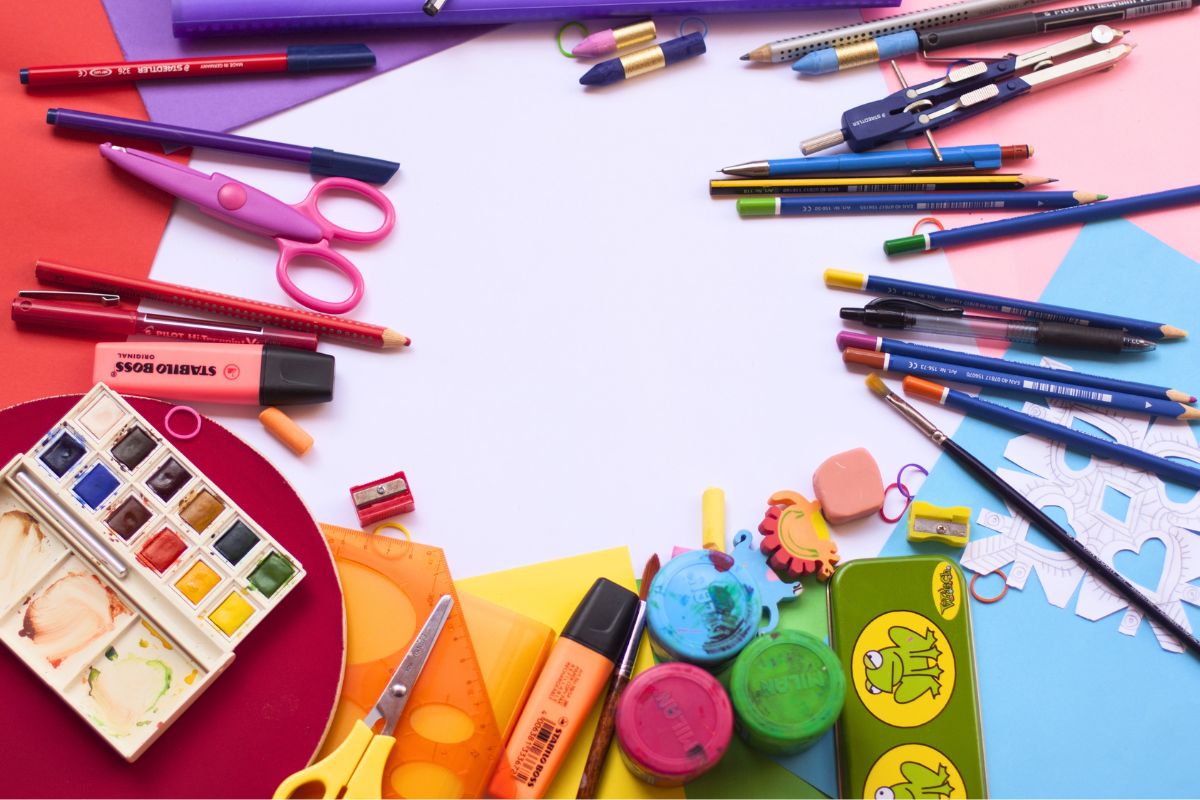
Photo by Poison_Ivy from Pixabay
Use this checklist as a starting point, then remove anything your child already owns or the school does not require.
Classroom Supplies
- Pencils
- Pens
- Erasers
- Highlighters
- Crayons or colored pencils
- Markers
- Glue sticks
- Scissors
- Ruler
- Notebooks
- Folders
- Binders
- Loose-leaf paper.
School Day Essentials
- Backpack
- Lunch box
- Water bottle
- Snack containers
- Ice packs
- Name labels.
Clothing
- Uniforms
- Everyday outfits
- Socks
- Shoes
- Sports clothes
- Jacket or sweatshirt.
Technology
- Headphones
- Charger
- Protective case
- Calculator
- School-approved device.
Final Thoughts
Back-to-school shopping does not have to be finished in one crowded afternoon.
Start with what you already own, wait for the official list, and focus on first-day essentials. Keep part of your budget available for unexpected requests after school begins.
Let your child choose one item that makes school feel exciting, but prioritize products that are comfortable, practical, and easy to use.
You may still forget something or need another quick shopping trip. That does not mean you planned badly. Prepare for the first day first, then handle the rest as needed.